Injoys
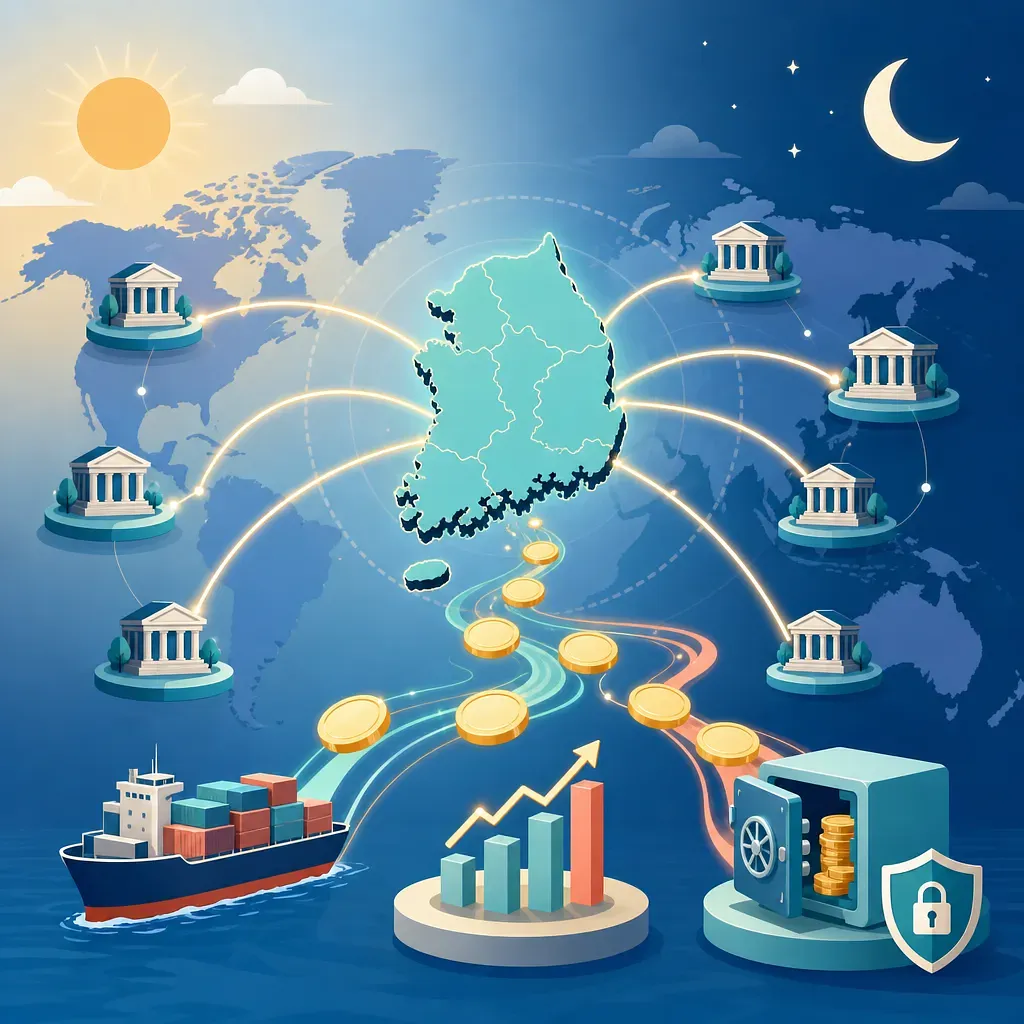
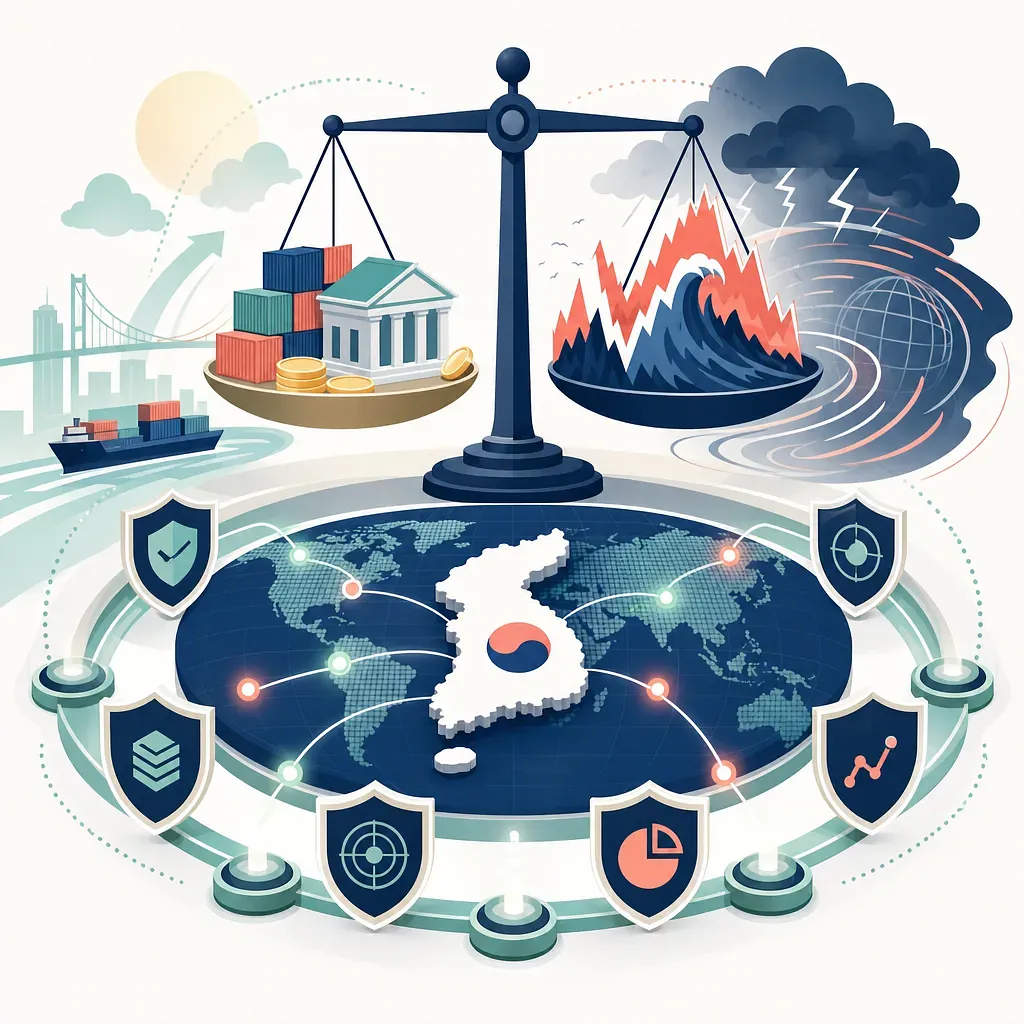
The government’s push to internationalize the Korean won is a policy aimed at easing restrictions so that foreigners can obtain and hold won overseas and use it for remittances, payments, and investments. The key is not to immediately open won transactions to every overseas bank, but to permit offshore won transactions primarily through overseas financial institutions that meet certain requirements and register with the government.
The schedule and institutional details below are plans based on the announced roadmap. The actual implementation dates and detailed requirements may change depending on subsequent laws and regulations, official notices, system development, and the results of pilot operations.
What Is Won Internationalization?
Currency internationalization refers to the process by which a country’s currency becomes widely used outside its borders as a means of payment, an investment vehicle, a store of value, or a unit of account for transactions.
As won internationalization progresses, foreigners may be able to handle the following activities through won accounts at overseas financial institutions without necessarily going through banks in Korea.
- Hold won in an account or transfer it to another account
- Invest in won-denominated assets such as Korean government bonds and stocks
- Pay Korean companies in won for goods or services
- Borrow or lend won between overseas investors
- Keep won left over after travel and use it again in the future
However, won internationalization does not mean that the won will immediately become usable everywhere in the world like the dollar. Its international use will gradually expand as participation by overseas financial institutions, market liquidity, transaction costs, foreign-exchange hedging tools, and demand for Korean assets develop.
In addition, easing domestic regulations and obtaining an international status such as the IMF’s “freely usable currency” designation are separate matters. Implementing the roadmap will not automatically change the won’s international status.
How the New Approach Differs from the Existing System
| Category | Existing System | Expected Approach After Roadmap Implementation |
|---|---|---|
| Won accounts | Foreigners mainly open and use accounts through banks in Korea | Won accounts may also be opened and used at registered overseas financial institutions |
| Offshore capital transactions | Prior reporting or verification is required depending on the type of transaction | Broader exemptions from prior reporting for transactions between foreigners through offshore won settlement institutions |
| Settlement hours | Heavily affected by the operating hours of Korea’s financial markets and payment networks | Development of infrastructure for 24-hour offshore won settlement |
| Investment in Korean assets | Procedures may be complex due to currency conversion, account opening, and time differences | Investments and settlements may be linked through local won accounts |
| Won lending and borrowing | Prior reporting applies to transactions of at least a certain amount | Higher threshold for prior reporting and consideration of a long-term shift to post-transaction reporting |
| Domestic real estate | Related reporting obligations apply | Reporting obligations remain in place |
Role of Offshore Won Settlement Institutions
Won accounts will not be available without restriction at every overseas bank. Won-related services will be handled by “offshore won settlement institutions,” which are overseas financial institutions that meet certain qualification and management requirements and register with the government.
These institutions will manage overseas customers’ won accounts and support won remittances, payments, and investment fund transfers. Exemptions from prior reporting are expected to apply to won-denominated capital transactions between foreigners using registered institutions, while existing reporting and verification procedures may remain for transactions that do not go through registered institutions.
The registration system is a safeguard designed to enable transaction recordkeeping, anti-money-laundering measures, prudential oversight, and market stability management while opening the market. Actual users must separately verify whether an overseas bank is a registered institution and what won-related services it provides.
Implementation Schedule and Phases
The main schedule based on the announced roadmap is as follows.
| Timing | Initiative |
|---|---|
| From September 2026 | Pilot operations for offshore won accounts and related transactions |
| From 2027 | Formal implementation of the system |
| From January 2027 | Development and operation of the Bank of Korea’s 24-hour offshore won settlement network |
| Medium to long term | Consideration of easing won lending and borrowing regulations, shifting from prior reporting to post-transaction reporting, and expanding direct won trading |
The pilot operations are likely to assess settlement stability, internal controls at overseas financial institutions, liquidity management, and transaction reporting systems. Therefore, it cannot be assumed that the institutions participating in the pilot and the scope of application at the time of formal implementation will be the same.
How Actual Transactions May Change
Holding and Transferring Won by Individuals Overseas
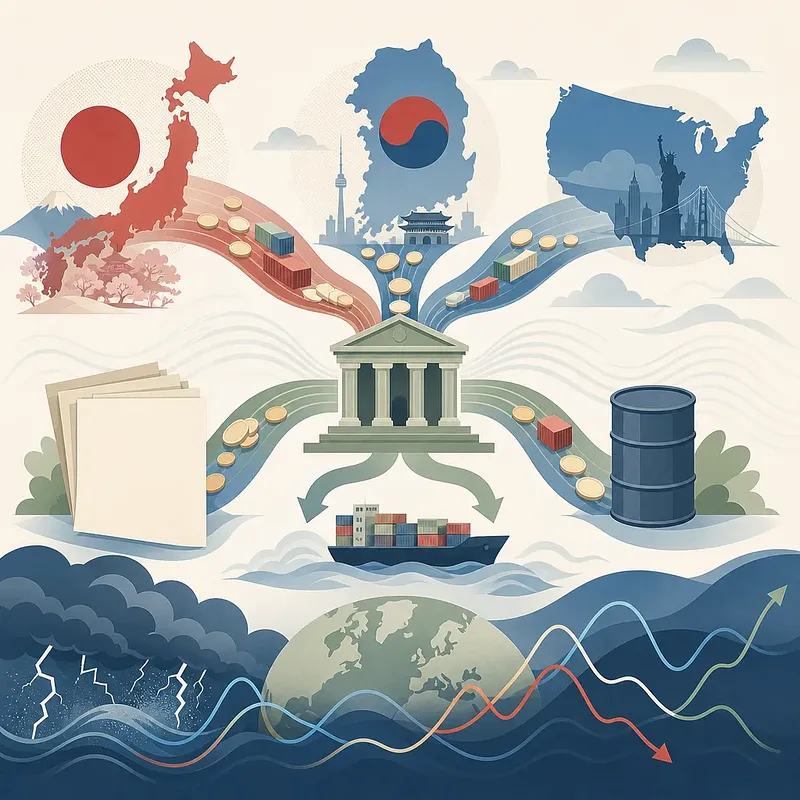
A resident of Japan may be able to keep won left over after a trip to Korea in a won account at a local financial institution and later transfer it to a family member’s won account. This could reduce the process and cost of converting won into yen and then back into won each time.
Investment in Korean Assets by Overseas Institutional Investors
A U.S. asset management company could open a won account at a registered local financial institution and use it to settle purchases of Korean government bonds or other won-denominated assets. Delays in currency conversion and settlement caused by the time difference with Korea could also be reduced.
Won-Denominated Trade Settlement by Overseas Companies
If a German company pays a Korean supplier directly from its won account, it would not need to use the dollar as an intermediary settlement currency. If the parties agree on a price in won, they could reduce double currency conversion costs and some exchange-rate risk.
Why the Government Is Pursuing Won Internationalization
Improving Access for Foreign Investors
Foreign investors must obtain won before trading Korean assets. If they can reliably obtain won overseas and settle transactions around the clock, friction related to account opening, currency conversion, and time differences will decrease.
Alongside won internationalization, the government plans to pursue the following improvements in capital market accessibility.
- Expand automated infrastructure for securities trading and settlement
- Improve foreign investor registration procedures
- Expand English-language corporate disclosures
- Broaden the permitted scope for obtaining won using government bonds as collateral
- Improve short-term financial products for investing temporarily held won
- Permit won lending and borrowing between overseas investors
These measures are intended to reduce market accessibility issues that global index providers such as MSCI and international investors have pointed out. However, institutional improvements do not guarantee inclusion in or an upgrade within any particular global index.
Reducing Currency Conversion Costs and Risks for Exporters
When Korean exporters receive payments in dollars, they incur fees when converting them into won. If the exchange rate changes between the contract date and the payment date, the value of revenue converted into won also changes.
If overseas customers pay directly in won, Korean companies can reduce some currency conversion costs and exchange-rate risk. Conversely, overseas buyers would have to bear the risk of won fluctuations. For won-denominated payments to increase in practice, markets where overseas companies can easily obtain won and hedge their risks must also develop.
The government is considering the following measures to encourage won-denominated payments.
- Provide export financing benefits for won-denominated intergovernmental procurement contracts in areas such as defense and nuclear power
- Consider lowering export financing interest rates when import and export payments are settled in won
- Consider raising trade insurance support limits
- Expand direct trading systems between the won and the currencies of major trading partners
Expanding Access to Financial Services
If foreign-exchange trading hours and settlement networks are expanded, domestic investors trading overseas stocks at night are more likely to receive the market exchange rate at the time of the transaction instead of a provisional rate. As domestic financial apps become more closely connected to overseas payment networks, more regions may allow payments via QR codes and other methods without requiring users to convert won into local currency in advance.
These services will not be provided automatically through won internationalization alone. Separate partnerships between financial institutions and overseas payment providers, compliance with local regulations, fee structures, and technical integration will be required.