Strengthening Verification of Personal Customs Identification Numbers: How to Verify Your ZIP Code and Register a Shipping Address
A postal code verification step has been added to the process of verifying the Personal Customs Clearance Code required for overseas direct purchases, thereby strengthening protection against identity theft. If you wish to have your package delivered to a workplace or a family member’s home rather than your own residence, it is important to register the delivery address in the Personal Customs Clearance Code system in advance.
The Individual Customs Clearance Identification Number is a personal identification number issued by the Korea Customs Service to identify importers of goods from overseas.
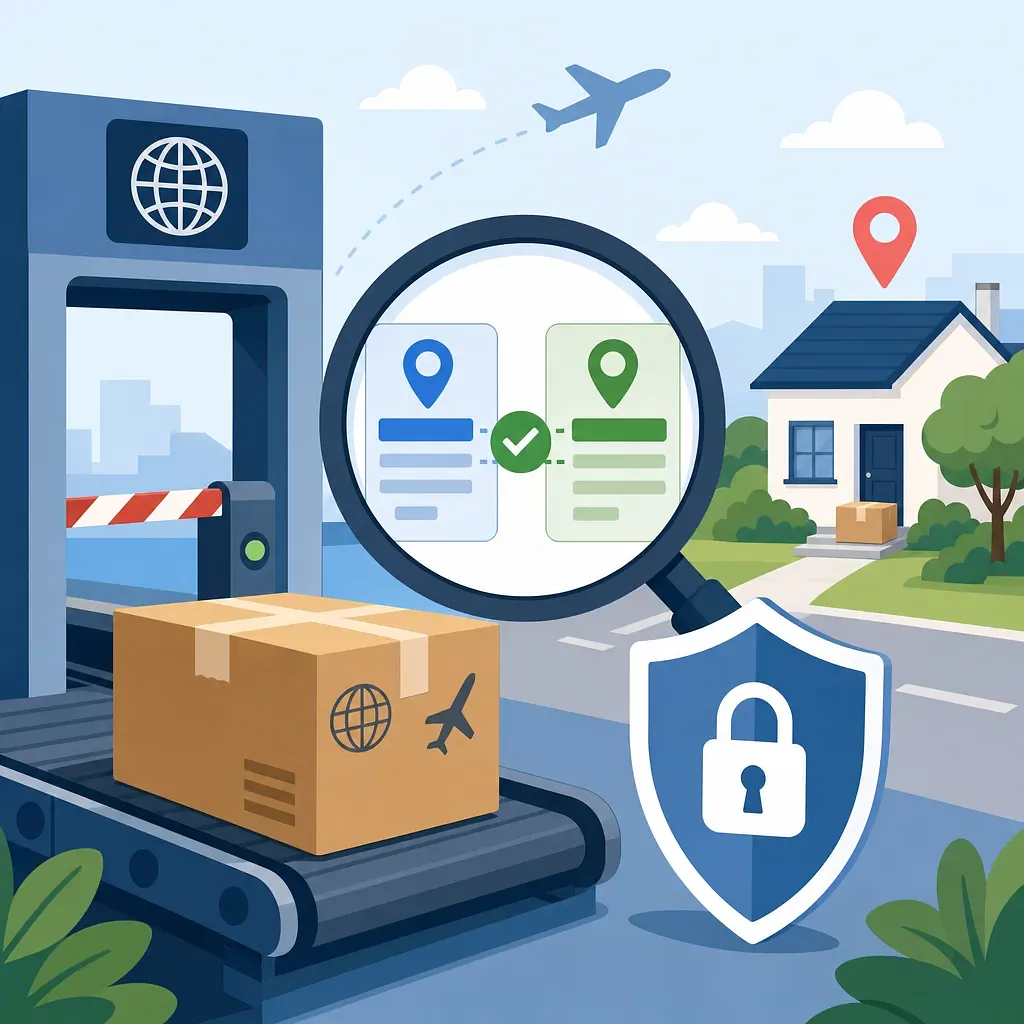
After the verification process is strengthened, an additional check will be performed to ensure that the ZIP code registered to your Personal Customs Identification Number matches the ZIP code of the actual delivery address.
If the registered ZIP code and the shipping address ZIP code are different, customs clearance may be delayed or denied due to suspicion of identity theft.
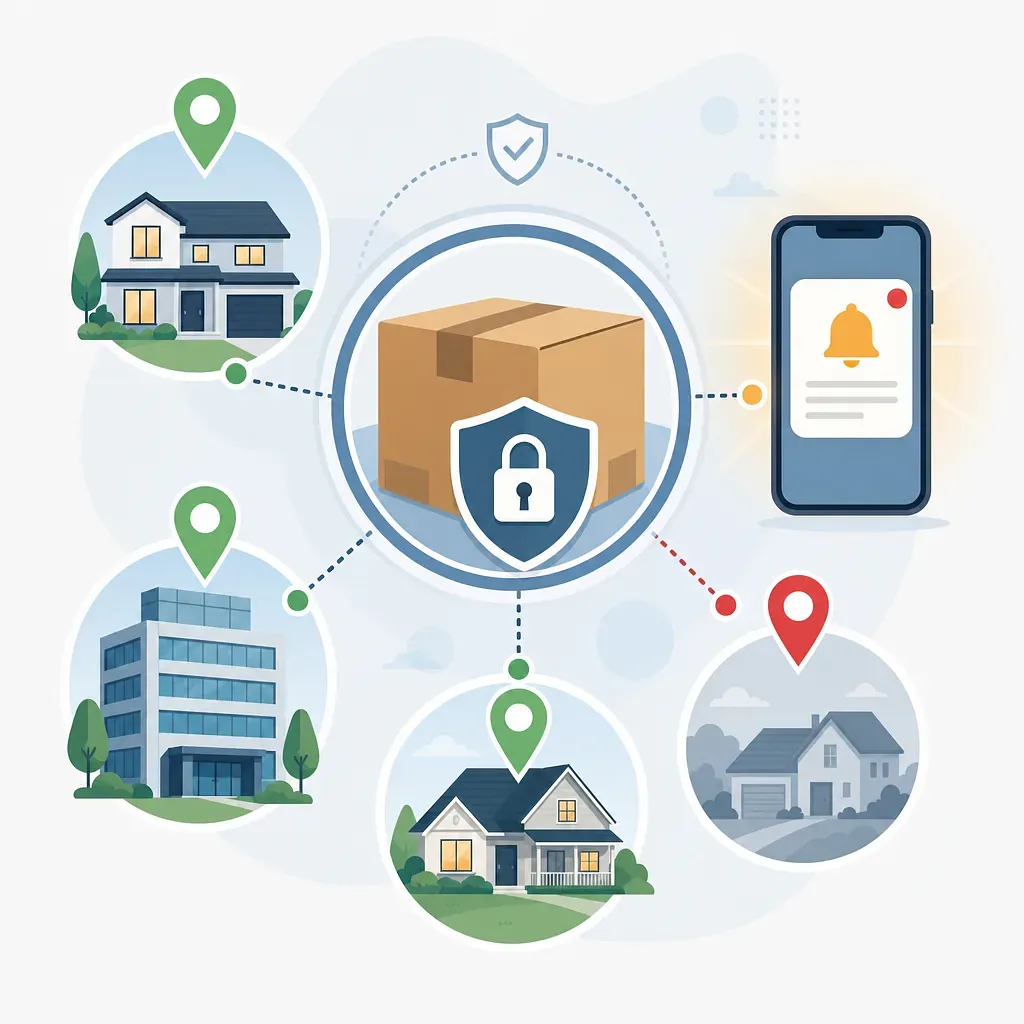
If you frequently receive packages at your workplace, family home, or other locations, you must register the delivery address in advance in the Personal Customs Identification Number system.
If you set up the "National Secretary" overseas direct purchase customs clearance notification, you can quickly check your import declaration information when your shipment is cleared under your personal customs code.
Changes at a Glance
The verification process for the Personal Customs Identification Number entered when shopping overseas has been strengthened. The key change is that, in addition to the existing name and phone number-based verification, the system now checks whether the ZIP code registered to the Personal Customs Identification Number matches the ZIP code of the actual delivery address.
This measure is intended to reduce the risk of identity theft, where someone secretly uses another person’s Personal Customs Identification Number. While the Personal Customs Identification Number, name, and phone number can be leaked or stolen, the actual delivery address is often entered as the recipient’s own address or an address where someone can receive the package.
What is a Personal Customs Identification Number?
A Personal Customs Identification Number is a number issued by the Korea Customs Service to identify the importer when an individual purchases goods from overseas and imports them into the country. It can be used in place of a Resident Registration Number, helping to reduce the exposure of personal information during the process of direct overseas purchasing.
Key Features
Item | Description
Issuing Authority | Korea Customs Service
Purpose | To identify individual importers when importing goods from overseas
Main Uses | Direct overseas purchases, purchasing agency services, and customs clearance for international shipments
Personal Information Protection | Can be used in place of a Resident Registration Number
Modifiability | Can be reissued or updated as needed
The Personal Customs Identification Number is used on overseas direct purchase order forms, shipping forwarding applications, and purchase agency service entry fields. While the number itself is intended for customs identification, it requires careful management because unauthorized use by others could result in import declarations being filed under the holder’s name.
Why Was Verification Strengthened?
Previously, the system was structured such that once a Personal Customs Clearance Code was issued, it remained valid for an extended period, and verification relied primarily on limited information such as name and phone number. Consequently, concerns have been raised that if a Personal Customs Clearance Code and basic personal information were leaked together, a third party could use them to attempt customs clearance.
According to data provided by the operator, based on Korea Customs Service statistics, there were 53,731 reports of personal customs identification number theft from January to September 2025. This is approximately 3.2 times the 16,901 cases reported during the same period in 2024 and more than double the total number of reports for all of 2024, which was 24,740.
This upward trend demonstrates that the Personal Customs Clearance ID is not merely an input value for customs clearance, but rather personal identification information that requires proper management.
New Verification Method: Postal Code Matching
The key points of the enhanced verification process are as follows:
· The Personal Customs Identification Number is submitted during the customs clearance process for overseas direct purchases.
· The Korea Customs Service system verifies the owner’s information associated with that number.
· In addition to the existing verification items, the system compares the zip code registered to the number with the zip code of the actual delivery address.
· If the two ZIP codes do not match or the delivery address is not the registered one, the shipment may be flagged as a potential case of identity theft.
Example
ZIP Code Registered to the Personal Customs Clearance ID | Actual Delivery Address ZIP Code | Possible Outcome
11111 | 11111 | High likelihood of successful verification
11111 | 22222 | Suspected identity theft or possible customs delay
11111 + Additional delivery address 22222 registered | 22222 | Can be verified as a registered delivery address
In other words, if you wish to receive an item at an address other than your home address, that address must be registered in the system to minimize the likelihood of issues during customs clearance.
Scope of Application and Effective Date
According to information provided by the operator, this measure will be applied primarily to users who obtain a new Personal Customs Clearance ID or update their information on or after November 21, 2025, to ensure the stable operation of the system. Additionally, with the introduction of the one-year validity period for Personal Customs Clearance IDs, existing users will also be subject to the new verification method sequentially during the renewal or information update process.
Whether the new system applies to you may vary depending on your individual issuance and modification history, the status of your registered shipping address, and the system’s operational criteria at the time of customs clearance. If you frequently make overseas direct purchases, it is advisable to check your registration information in advance.
How do I have my package delivered to a location other than my home?
There are cases where you may receive overseas direct-purchase items at locations other than your home, such as your workplace, a family member’s home, school, business premises, or a long-term residence. In such cases, you must register the delivery address in advance with the Personal Customs Clearance ID system.
According to information provided by the system operator, you can register up to 20 delivery addresses in the Personal Customs Clearance ID System. Registering frequently used addresses in advance can reduce the likelihood of customs clearance delays caused by postal code discrepancies.
Types of Addresses You Should Register
· Address on your resident registration or actual place of residence
· Work address
· Family home address
· Frequently used forwarding service pickup address
· Long-term residence or dormitory address
However, rather than indiscriminately registering one-time addresses, it is advisable to register only addresses where you are likely to actually receive the package and that you can manage yourself.
User Checklist
Please check the following items before making an overseas purchase.
· Is your Personal Customs Clearance ID issued in your name?
· Are the name and mobile phone number registered with your Personal Customs Clearance ID up to date?
· Does the ZIP code of your primary address match your current shipping address?
· If you plan to use other shipping addresses (such as your workplace or a family member’s home), have you registered them in advance?
· Have you set up notifications for overseas direct purchase customs clearance on the National Secretary service?
· Are there any old, unused delivery addresses or incorrect addresses still on file?
Situations Where You Should Suspect Identity Theft
You should suspect that your Personal Customs Clearance ID may have been stolen in the following cases:
· If you receive a customs clearance notification for an overseas item you did not order
· If you find unfamiliar import declaration records
· If you receive a message from a shipping company or customs authorities regarding an overseas purchase you did not make
· If you are notified that an item is being cleared using your code but have no record of the order
· If you repeatedly receive customs clearance notifications for unknown shipments
In such situations, it is advisable to check your usage history and registration information on the Korea Customs Service’s Personal Customs Clearance ID Issuance and Inquiry System, and, if necessary, change your ID or follow the relevant reporting procedures.
Why You Should Set Up National Secretary Alerts
If you set up alerts for e-commerce—specifically, customs clearance for overseas direct purchases—through the Ministry of the Interior and Safety’s National Secretary Alert Service, you can quickly check import declaration information whenever customs clearance is being processed using your Personal Customs Clearance ID.
Setting up these notifications reduces the risk of discovering identity theft too late. The benefits of setting up notifications are particularly significant for those who do not frequently make overseas direct purchases, as they are more likely to overlook the fact that customs clearance is being processed under their name.
Precautions When Using Sellers or Purchasing Agents
During the process of overseas direct purchases, you often need to provide your Personal Customs Clearance ID to sellers, purchasing agents, or shipping agents. In such cases, it is advisable to follow these guidelines.
· Use only trustworthy online stores and shipping agents Since your Personal Customs Clearance ID is used to identify your shipment, you should avoid entering it indiscriminately.
· Do not enter someone else’s ID on their behalf Even for items belonging to family members, you must accurately verify the relationship between the actual importer and the recipient. Using someone else’s ID without authorization can lead to customs clearance issues.
· Enter the information for the orderer, recipient, and Personal Customs Identification Number consistently If the name, phone number, shipping address, or ZIP code do not match, it may cause delays during the customs clearance process.
· Verify your registered information when changing your shipping address If you have moved, changed jobs, or changed your long-term residence, you must keep your Personal Customs Identification Number registration information up to date.
Key Takeaways
The stricter verification of Personal Customs Identification Numbers is not a measure intended to inconvenience cross-border online shoppers, but rather a mechanism to reduce fraudulent customs clearance using others’ identification information and the theft of personal information. Going forward, it will no longer be enough to simply match the number and name; the ZIP code of the actual delivery address will also become a critical verification factor.
If you plan to continue shopping overseas, keep these three points in mind:
· Keep your Personal Customs Clearance ID registration information up to date.
· Register any delivery addresses other than your home address in advance.
· Turn on customs notifications in the National Secretary app to quickly check for any unknown import declarations.
 Injoys