Injoys
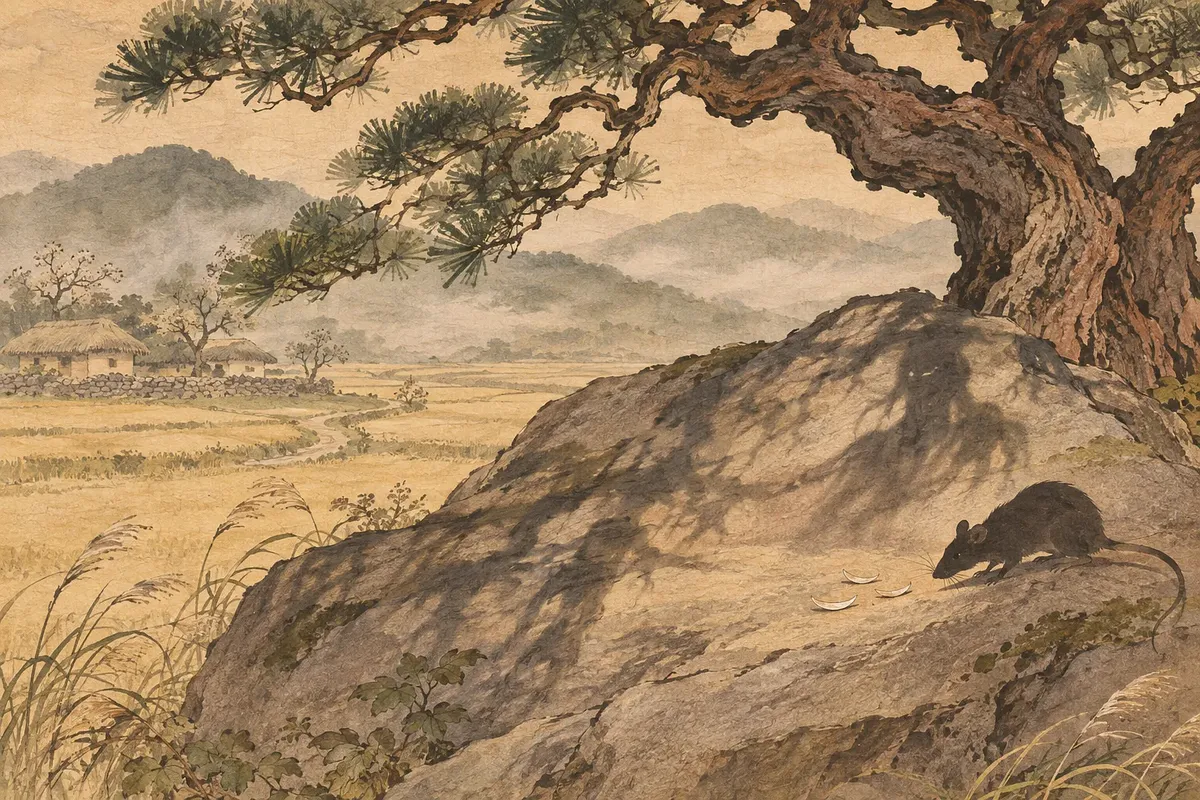
The folktale of the shape-shifting rat is a traditional story about a rat that turns into a person and takes their place. This is a retelling of “The Rat That Transformed After Eating Fingernails,” recorded in Buyeo in 1982. It tells of a rat that eats fingernails and transforms into a family's son.
This article follows “The Rat That Transformed After Eating Fingernails” in the Comprehensive Collection of Korean Oral Literature and was prepared as of November 2026.
The Story
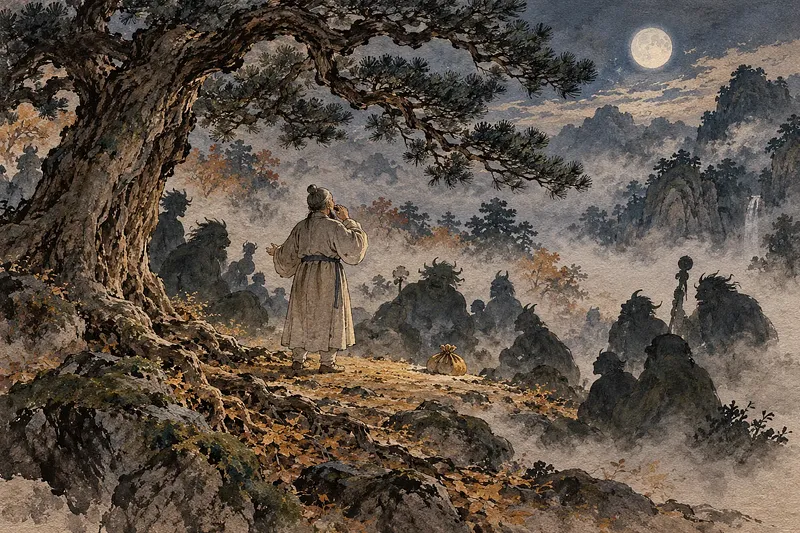
In the Buyeo version, a rat eats a son's fingernail clippings and transforms into him. Long ago, there was a son who attended a village school. One day, he sat on a rock and clipped his fingernails. A rat was picking up and eating the clippings that fell.
When he returned home that evening, he saw a familiar figure. Inside the house was a boy who looked exactly like him. The son tried to tell his mother that he was her real child. But his mother would not recognize the son who had returned as her own.
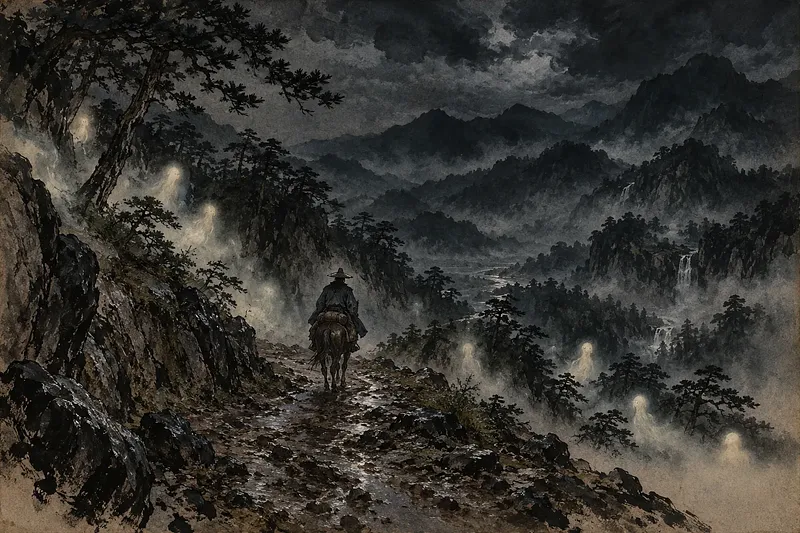
The son was deeply troubled. Even in his own home, he could not get anyone to recognize who he was. He went elsewhere and found a large cat. Then he returned home with it.
When the cat caught the impostor, its identity as a rat was revealed. It was the very rat that had picked up and eaten the son's fingernail clippings. The two figures that human eyes could not tell apart were distinguished in this way. The impostor's time posing as the son also came to an end.
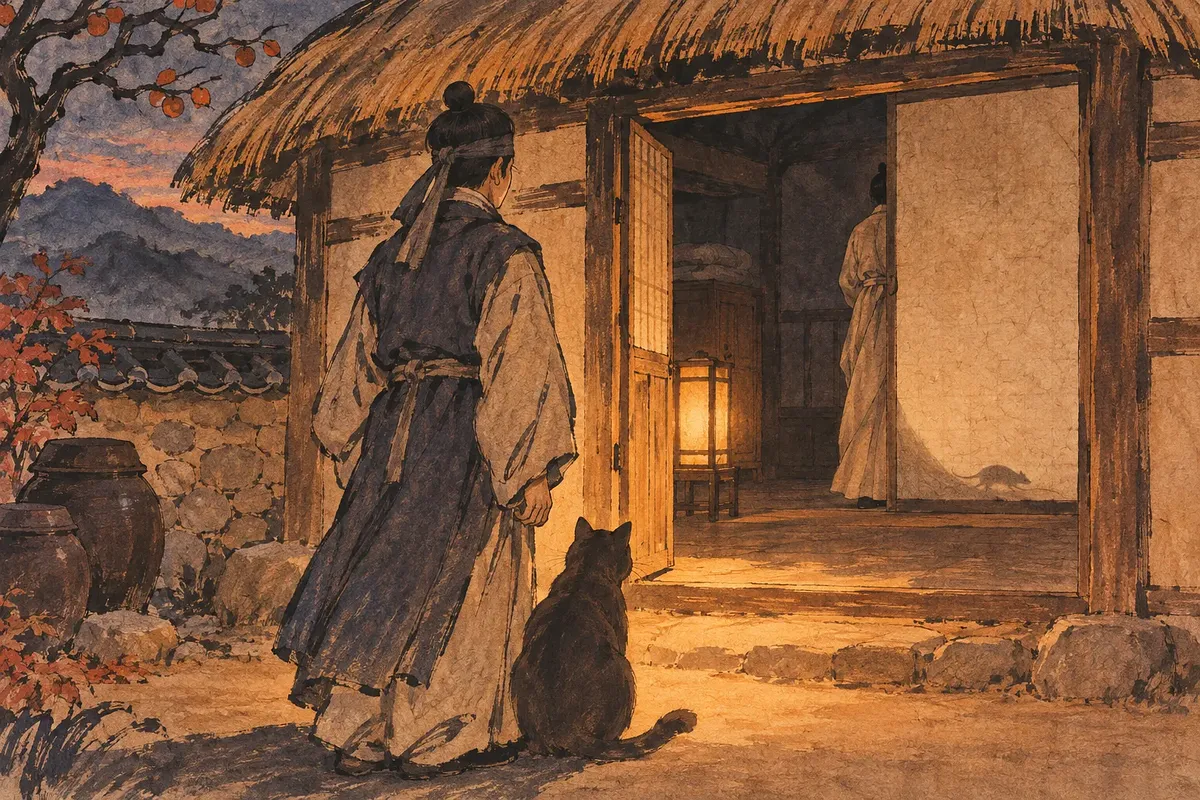
In the Buyeo version, the cat the son brings back exposes the impostor.AI-generated image
Source and Origins
This retelling is based on “The Rat That Transformed After Eating Fingernails” in the Comprehensive Collection of Korean Oral Literature. It is a researcher's record of an oral folktale whose author is unknown. The full transcript can be read on the Academy of Korean Studies' Korean Studies Integrated Platform.
| Item | Recording details |
|---|---|
| Title | The Rat That Transformed After Eating Fingernails |
| Collection | Comprehensive Collection of Korean Oral Literature 4-5 |
| Research date | January 12, 1982 |
| Research area | Guryong-myeon, Buyeo-gun, Chungcheongnam-do |
| Research location | Nonti-ri Senior Citizens' Center |
| Narrator | Hong Gil-hyeon |
| Researchers | Park Gye-hong · Hwang In-deok |
January 12, 1982, is the date the story was recorded. It does not mean the date the folktale was first created. Guryong-myeon, Buyeo-gun, is likewise the place where the tradition was recorded. It does not mean that an actual incident of a rat turning into a person occurred there.
Hong Gil-hyeon is the narrator of this recorded version, not a person confirmed to have created the folktale. Oral narration means telling a story aloud. Recording means preserving those spoken words in a record. The original text also preserves the narrator's manner of speaking and the circumstances at the time of the research. Korean Studies Integrated Platform, “The Rat That Transformed After Eating Fingernails”
Other Versions and Similar Stories
“The Rat's Transformation” from Boryeong is a variant in which the real daughter-in-law loses her place. A variant is a form of a story from the same tradition that has been passed down with different details. The Digital Encyclopedia of Boryeong Culture explains that this tradition was included in the Daecheon City Gazetteer in 1994.
| Point of comparison | Buyeo's “The Rat That Transformed After Eating Fingernails” | Boryeong's “The Rat's Transformation” |
|---|---|---|
| Person the rat imitates | A son who attends a village school | The family's daughter-in-law |
| What precedes the transformation | The rat picks up and eats the son's fingernail clippings | The daughter-in-law gives the rat leftover rice |
| Family's response | The mother refuses to recognize the returning son as her own child | The family tries to identify the real person through answers to a question |
| Identification scene | No separate knowledge test appears | The family asks how many plates are in the cupboard |
| What happens to the real person | He worries because he is not recognized | She is driven from the house because she cannot give the correct number of plates |
| Helper who explains what to do | None appears | A monk tells her to take a cat with her |
| Animal that reveals the impostor's identity | A cat the son finds himself | A cat brought on the monk's advice |
The false daughter-in-law in the Boryeong version knew the number of plates because she had been in and out of the cupboard. The real daughter-in-law could not remember the number. The family accepted the impostor who gave the correct answer as the real person. Later, after receiving a monk's advice, the daughter-in-law uses a cat to expose the impostor's identity. Digital Encyclopedia of Boryeong Culture, “The Rat's Transformation”
The two stories differ from the outset in what leads to the transformation. The plate test in the Boryeong version does not appear in the recorded Buyeo version. The monk's advice is not part of the Buyeo version either. Combining these scenes into a single plot makes it unclear which tradition is being followed.
What Does Jingajaengju Mean?
Jingajaengju is a story structure in which a real person and an impostor compete for the rightful occupant's place. The Encyclopedia of Korean Culture introduces it as another name for the folktale of the shape-shifting rat. The rat's transformation sets in motion the character's loss of their place.
In this structure, the conflict begins with the two figures looking identical. When the family accepts the impostor, the real person's circumstances are overturned. The cat resolves the problem that human judgment could not settle.
Folk Beliefs in the Story
The taboo concerning fingernails is connected to the belief that even things separated from the body should be treated with care. The Encyclopedia of Korean Culture interprets this in relation to filial piety. It explains that hair, fingernails, and toenails are also parts of the body inherited from one's parents.
The encyclopedia also points to the problem of losing one's place through carelessness. Its interpretation is that treating what one has carelessly leads to a loss of self. This is the encyclopedia contributor's explanation of the folktale. The Buyeo narrator did not directly explain a lesson about filial piety. Encyclopedia of Korean Culture, “The Folktale of the Shape-Shifting Rat”
Are Discarding Fingernails and the Taboo Against Clipping Them at Night the Same Thing?
The recorded Buyeo version alone does not establish that these two taboos belong to the same tradition. The story includes a scene in which a rat eats fingernail clippings. But it does not stipulate that fingernails must not be clipped at night. The passage saying that the son returned home in the evening must be distinguished from the time when he clipped his fingernails.
| Category | What the recorded Buyeo version confirms |
|---|---|
| Rat that eats fingernails | Appears as the cause of the transformation |
| Time when the fingernails were clipped | No condition specifies that it was at night |
| The evening | Appears in the scene where the son returns home |
| Connection between fingernails, toenails, and filial piety | Presented by the encyclopedia in its interpretation of the folktale type |
The rat's transformation is a fictional element of the folktale. This story is not evidence that fingernails actually cause transformations or bad luck. The meaning of a taboo within a tradition must be distinguished from cause and effect in reality.
Is the Person Who Knows the Number of Plates the Real One?
The plate test in the Boryeong version is a scene in which an attempt to establish identity through household knowledge fails. The rat gives the correct answer because of its experience going in and out of the cupboard. The real daughter-in-law loses her place because she has forgotten the answer.
This scene can be read as questioning the criteria used to recognize a person. It raises the question of whether knowing household details well is enough to confirm someone's identity. This is an editorial interpretation offered by this article. It does not represent a purpose for the tradition stated by the recorder or a direct explanation from the narrator.
Key questions in this article
Did the Folktale of the Shape-Shifting Rat Really Happen?
The folktale of the shape-shifting rat is a traditional story about a rat that turns into a person. The recording shows that the story was told. It is not evidence that a transformation actually occurred.
Where Can I Read the Original Text?
The full Buyeo version can be read on the Korean Studies Integrated Platform. Its title is “The Rat That Transformed After Eating Fingernails.” The research details and the narrated story are available together.
Was the Folktale Created in 1982?
1982 is the year the Buyeo version consulted here was recorded. It does not mean the story was first created that year. This record alone cannot establish when the folktale first originated.
What Does the Taboo Against Carelessly Discarding Fingernails Mean?
The Encyclopedia of Korean Culture connects this taboo to the idea of filial piety. Its interpretation is that people should cherish the body inherited from their parents. It explains that this idea extends to fingernails and toenails separated from the body.
Does the Warning Against Clipping Fingernails at Night Also Come from This Story?
The recorded Buyeo version consulted here contains no warning against clipping fingernails at night. Evening appears as the time when the son returns home. This recorded version therefore cannot be presented as the direct origin of the taboo against clipping fingernails at night.
Does a Monk Appear Who Advises Bringing a Cat?
The Boryeong version includes a monk who advises taking a cat along. No such helper appears in the Buyeo version. In the Buyeo version, the son finds a cat himself and brings it home.
In What Ways Are the Two Traditions the Same Story?
In both traditions, a rat takes on the appearance of a family member. The real person cannot get the family to recognize them. At the end, a cat reveals the impostor's identity.