Injoys
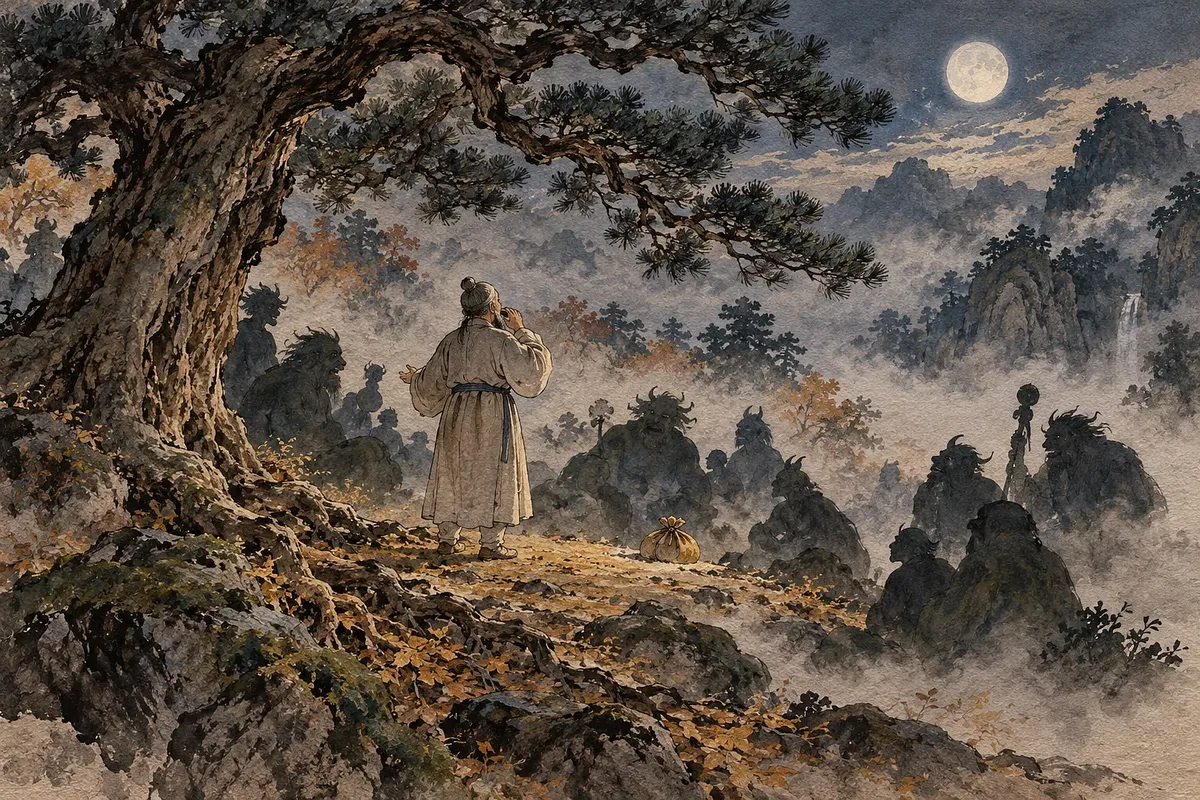
The Old Man with a Lump tells of an old man who passed his lump on to a dokkaebi after it heard him sing. Another old man who copied him gained an extra lump. This retelling of the traditional folktale draws on a version recorded in Dangjin in 1979.
This article was prepared in November 2026, based on a version in The Comprehensive Collection of Korean Oral Literature.
Plot of The Old Man with a Lump
One old man passed his lump on to dokkaebi, while another who copied him gained an extra lump. The story below retells the basic plot of the traditional tale in new words. It is not a verbatim transcription of any particular storyteller’s account.
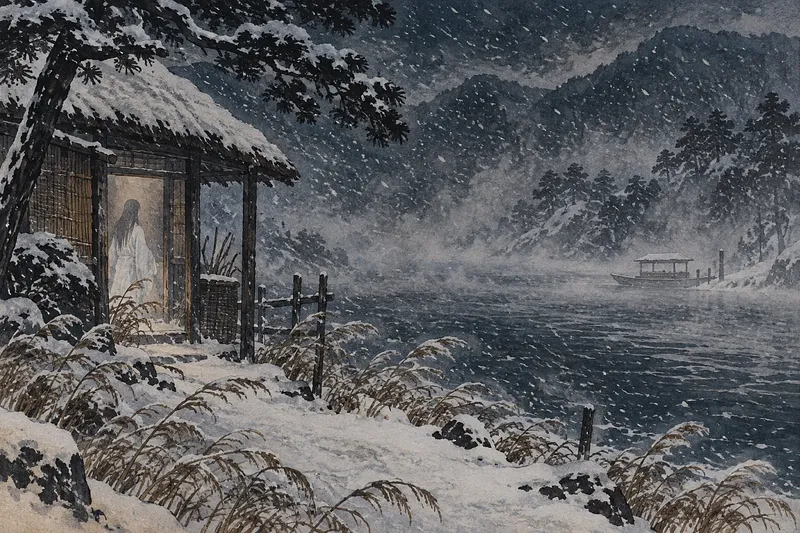
An old man happened to encounter some dokkaebi. When he sang, the dokkaebi listened closely. As the song continued, their eyes remained fixed on his lump.
The dokkaebi wondered where the sound came from. The old man pointed to his lump and made up a story that the singing came from inside it. The dokkaebi thought that if they owned the lump, they too would gain the song.
The dokkaebi gave the old man riches and took his lump. When he touched his face, the lump was gone. After this unexpected exchange, he gathered up his riches and returned home.
A neighboring old man who heard the news also had a lump. He planned to get rid of it in the same way. He sought out the dokkaebi and began to sing.
When the dokkaebi asked where the sound came from, he too pointed to his lump. This time, however, their reaction was different. They grew angry and called his claim a lie.
The dokkaebi attached the lump they had taken earlier to the second old man. Instead of having his lump removed, he returned home with an extra one. He had repeated the same words, but the same good fortune did not follow.
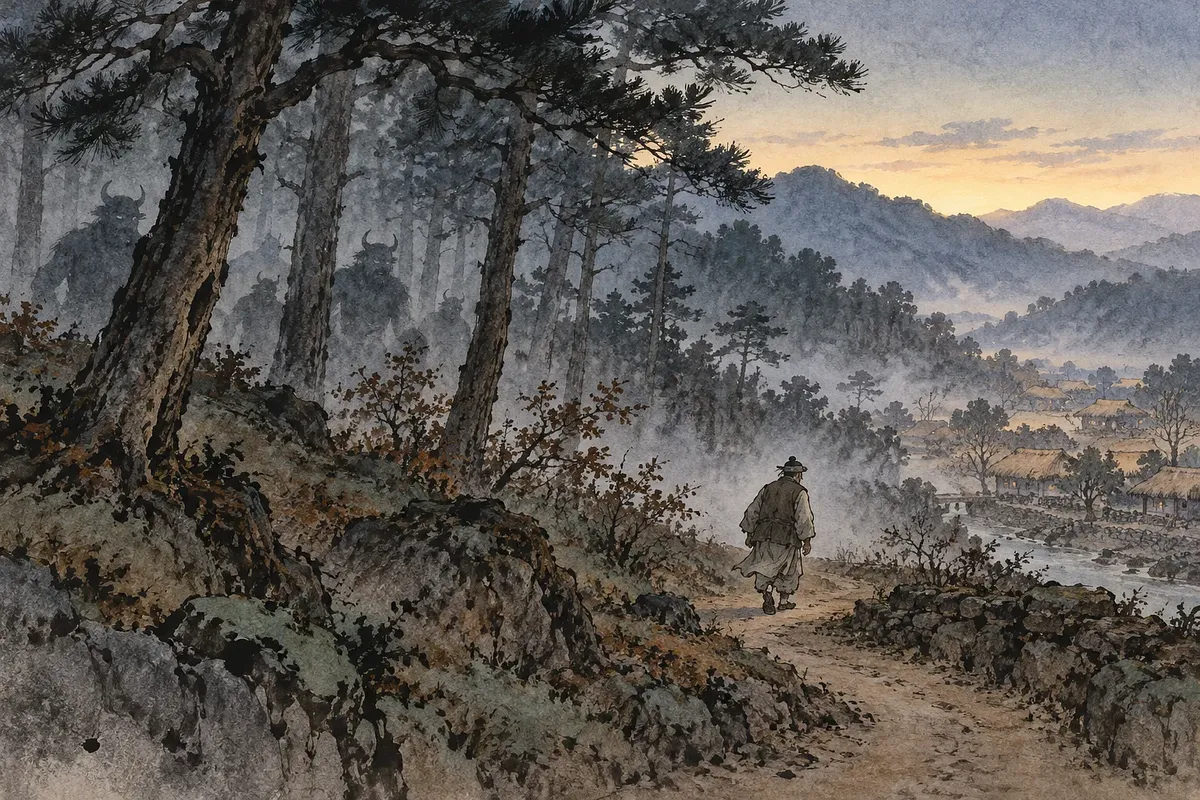
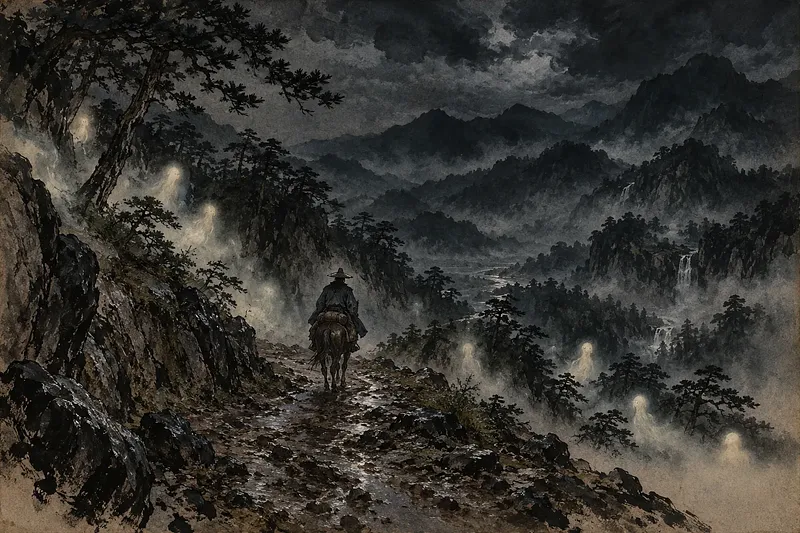
Imitating an earlier success leads to a worse outcome instead.AI-generated image
Sources and Origins
This story is based on an oral record, not an original manuscript by a single author. Oral transmission means passing stories from person to person by word of mouth. Recording oral accounts means listening to those words and preserving them in writing or audio.
An Oral Account Recorded in Dangjin
The Comprehensive Collection of Korean Oral Literature includes “The Tale of Trying to Remove a Lump but Gaining One.” The results portal’s catalog lists a fieldwork record from Songsan-myeon, Dangjin-gun. The storyteller is the person who told the story, not necessarily its creator.
| Item | Confirmed details |
|---|---|
| Title | The Tale of Trying to Remove a Lump but Gaining One |
| Fieldwork date | November 10, 1979 |
| Fieldwork location | Songsan-myeon, Dangjin-gun, Chungcheongnam-do, as it was then |
| Informant | Kim Bong-han |
| Type of material | An oral history record preserving a story passed down by word of mouth |
The record can be found in the oral materials catalog of the Korean Studies Promotion Project Results Portal. If there are entries with the same title, compare their fieldwork dates and locations. 1979 is the year the story was recorded, not the year it originated.
Publication History and the Debate over Origins
The date a story appeared in print must be distinguished from the date it first arose. The Encyclopedia of Korean Culture presents the following publication history. These records provide evidence for tracing how the story spread.
| Publication | Year of inclusion | Significance of the record |
|---|---|---|
| Collection of Joseon Tales | 1910 | A related story was introduced in print |
| Korean Reader | 1915 | A related story was included in a textbook |
Two theories are presented about its origins: that it originated in Korea, and that it was adopted from Japan. The Korean-origin theory holds that an existing folktale was used in textbooks during the colonial period. The Japanese-adoption theory focuses on how the story became established through channels such as textbooks.
The fact that the story was passed down orally in Korea supports its transmission within the country. That fact alone, however, cannot establish which country it first originated in. An outline of the debate appears in the “The Old Man with a Lump Folktale” entry in the Encyclopedia of Korean Culture.
Other Versions and Similar Stories
Names and scenes may vary between versions, but the structure in which the two people meet opposite outcomes remains. In oral folklore, an individually transmitted version is called a “variant.” Details can differ even under the same title.
| Point of comparison | Documented differences | What to distinguish when reading |
|---|---|---|
| Main character’s name | Some variants call him Kim Cheomji or Old Man Choe | One name cannot be treated as the name used in every version |
| Scene in which the lump changes hands | The bargaining with the dokkaebi is sometimes longer | The details of the exchange may vary by version |
| Similar folktales | “The Dokkaebi’s Club” also features an imitator’s failure | Even with a similar structure, the characters’ traits and the emphasis differ |
The Encyclopedia of Korean Culture points out a difference from “The Dokkaebi’s Club.” That tale emphasizes the main character’s kindness and devotion to his parents. By contrast, the old man who passes on his lump is not clearly given those traits.
Treating the first old man as a good person from the outset therefore narrows the interpretation. He too deceives the dokkaebi by saying that the song comes from his lump. The difference between the events lies more in the order of the encounters and the other party’s response than in personal character.