Skip to content
Injoys
Tales

Janghwa Hongryeon jeon: Manuscript Plot and Variant Endings

This retelling of the story of two sisters clearing their names is based on manuscript 한구000075 in the National Hangeul Museum's collection. It distinguishes the source manuscript's account of the stepmother's subsequent punishment after death from the endings in other versions.

Listen or read this article

15:33

Listen, or read the text only.

Janghwa Hongryeon jeon: Manuscript Plot and Variant Endings

Kokoro 82M AI-generated voice 16 min read

0:00 15:33

Advertisement

Download audio

File name
janghwa-hongryeonjeon-manuscript-story-and-variant-endings-en.mp3
Format
MP3 (audio/mpeg)
Duration
15:33
File size
10.7 MB
Engine
Kokoro 82M

This audio was generated by AI.

You may download and use it freely for personal use.

Advertisement

Janghwa Hongryeon jeon: Manuscript Plot and Variant Endings

11 min read

Janghwa Hongryeon jeon: Manuscript Plot and Variant Endings
This retelling of the story of two sisters clearing their names is based on manuscript 한구000075 in the National Hangeul Museum's collection. It distinguishes the source manuscript's account of the stepmother's subsequent punishment after death from the endings in other versions.
The author and date of composition of the work as a whole are unknown.
1818 is the year Park In-su wrote the Classical Chinese version.
In manuscript 한구000075, Jeong Dong-ho clears the sisters' names.
In the selected manuscript, the stepmother is punished after death once the sisters' names are cleared.
The endings of different versions fall into four groups: vindication and punishment, punishment after death, revival, and reincarnation as twins.
Janghwa Hongnyeonjeon is a classical novel set in Cheolsan, Pyeongan Province, during the Joseon period. Its author and date of composition are unknown. It retells a traditional story about two sisters who die unjustly and are later cleared of false accusations.
This article follows manuscript 한구000075 in the collection of the National Hangeul Museum and was prepared in November 2026.
Plot of Janghwa Hongnyeonjeon
This retelling follows the sequence of events in manuscript 한구000075. In this version, the magistrate who hears the sisters' story is Jeong Dong-ho. Descriptions of how people die and of brutal punishments have been omitted.
The Stepmother's False Accusation
After losing their mother, Janghwa and Hongnyeon come to live with a stepmother. In the household their father, Jwasu Bae, has formed through remarriage, the sisters find themselves increasingly pushed aside. Their stepmother begins to see the two daughters as obstacles within the family.
When talk turns to Janghwa's marriage, the stepmother devises a cruel scheme. She uses a rat to fabricate evidence suggesting that Janghwa had been pregnant and lost the child. The father sees the object and becomes suspicious of his daughter. Janghwa's explanation fails to change the household's judgment.
The stepmother's son, Jangsoe, also joins the scheme. Janghwa ultimately loses her life without clearing her name. Hongnyeon learns of her older sister's death and also meets a tragic end. There is now no one left to tell the story buried within the household.
The Sisters Who Visit Each Night
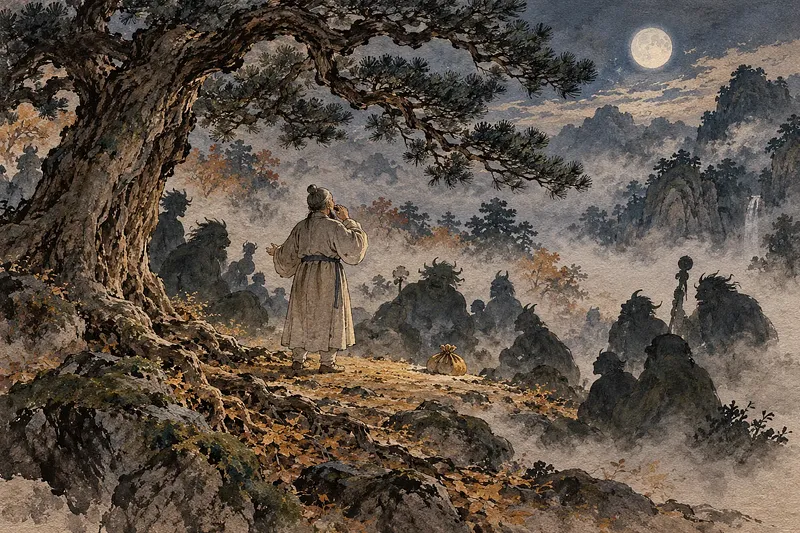
The dead sisters become wronged spirits and visit the magistrate's office. Late at night, a presence approaches with sounds unlike the footsteps of the living. But the magistrates are overcome with fear. The sisters never manage to tell their full story.
The sisters also appear before the newly appointed Jeong Dong-ho. They appeal to him about the injustice surrounding their deaths. After hearing them, Jeong Dong-ho begins investigating the case. The voices silenced within the household are heard again at the magistrate's office.
The investigation does not immediately uncover the truth. The object presented by the stepmother still seems to show Janghwa's wrongdoing. The sisters appear again and ask him to examine the evidence closely. Jeong Dong-ho revisits his initial judgment.
After Their Names Are Cleared
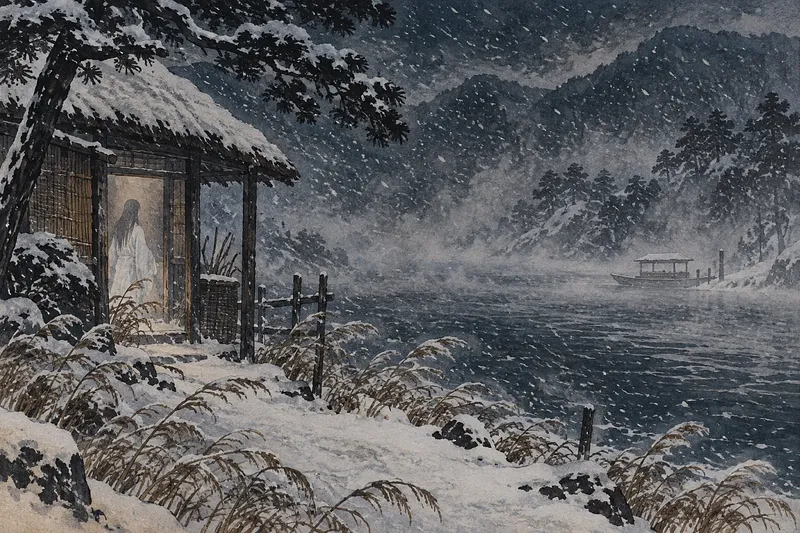
Once the true nature of the evidence is established, the stepmother's lie is exposed. The false accusation against Janghwa is also cleared. The stepmother and Jangsoe are punished for their crimes. Jeong Dong-ho arranges the sisters' funeral.
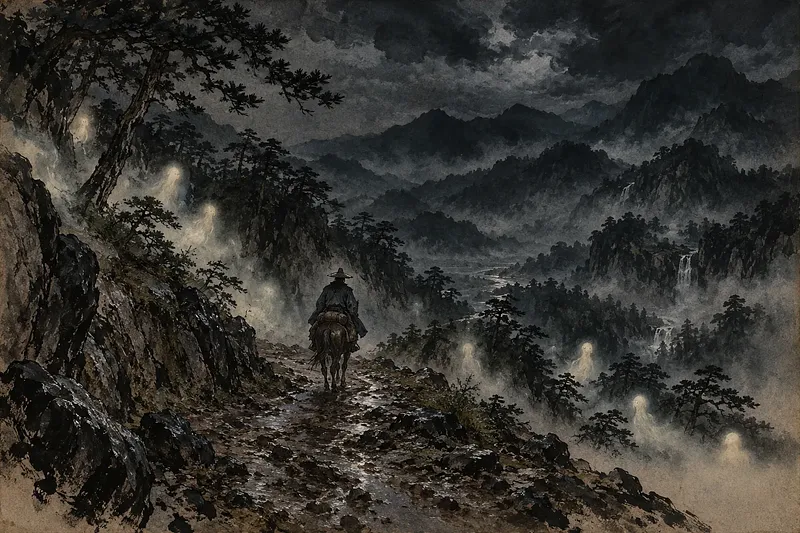
The sisters express their gratitude that their story has come to light. But this manuscript's story does not stop with the resolution of the case. Its later part goes on to describe the stepmother's punishment in the afterlife. The crimes revealed in the world of the living thus lead to judgment after death.
Source Text and Origins
The base text for this retelling is manuscript 한구000075 in the collection of the National Hangeul Museum. A base text is the book used as a reference when transcribing or rewriting a text. Here, the term does not mean the sole original text of the work as a whole.
Category | Established information | Distinctions to keep in mind The work as a whole | A classical novel of unknown authorship and date | Do not apply the date of a particular version to the entire work Park In-su's Classical Chinese version | A Classical Chinese version written in 1818 | A separate source from the Hangul manuscript 한구000075 Base text for this retelling | 한구000075, held by the National Hangeul Museum | The magistrate's name and later developments follow this book Publicly available facsimile file | A 45-page DJVU file on Wikisource | Distinguish the file's page count from the original book's page count
What Does 1818 Mean?
1818 is the year Park In-su's Classical Chinese version was written. The Encyclopedia of Korean Culture describes the work as a whole as being of unknown authorship and date. These two pieces of information apply to different things.
The encyclopedia connects the origins of the Classical Chinese version to a tradition about Jeon Dong-heul's handling of a case. This does not mean that every scene in the novel is confirmed as historical fact. The appearance of wronged spirits and judgment after death should be read as parts of the work's narrative. Further explanation is available in the Encyclopedia of Korean Culture's entry on the work.
Where Can I Read the Original Text of Janghwa Hongnyeonjeon?
A facsimile of the selected manuscript is available on Wikisource. A facsimile reproduces the appearance of an old book as images. The public file contains 45 pages, including the cover and blank pages. These are images of old handwriting, not a translation into modern language.
The Wikisource index indicates that this material needs an OCR text layer. It is therefore unlikely that the entire text can be searched or copied. To examine the handwriting and content, readers must read the facsimile images directly. The material is available in the facsimile file of manuscript 한구000075.
Other Versions and Endings
Versions of Janghwa Hongnyeonjeon fall into four groups according to their endings. A variant version is one whose content has changed as the same work has been passed down. The categories below follow the explanation in the Encyclopedia of Korean Culture.
Ending type | Developments after the sisters' names are cleared | Main emphasis of the ending Exoneration and punishment | The truth about the sisters' unjust deaths is revealed, and the stepmother is punished | Establishing the truth of the case Extended punishment in the afterlife | The stepmother is also punished in the afterlife by order of King Yeomra | Judgment that continues after death The sisters' return to life | The sisters come back to life, and Janghwa marries the magistrate | Recovery of the lives they lost Rebirth as twins | The sisters are born again as twins to Jwasu Bae and Lady Yun | Family bonds that continue in a new life
Manuscript 한구000075 includes an extension of punishment into the afterlife. Adding a plot in which the sisters are reborn as twins would mix different versions. This is why the final part should be checked separately even when books share the same title.
A return to life must also be distinguished from reincarnation. A return to life means that the dead sisters become alive again. Reincarnation means that they are born anew and begin life again. Simply summarizing both endings as coming back alive erases the difference.
The magistrate's name is another clue for distinguishing versions. Manuscript 한구000075 gives his name as Jeong Dong-ho. Jeong Dong-u appears in the encyclopedia's plot summary of the Hangul version. Both must also be distinguished from Jeon Dong-heul, who appears in the account of the Classical Chinese version's origins.
Folk Beliefs in the Story
This work turns the idea that injustice can remain unresolved after death into a story. The sisters appear because they want their story to be known. Resolving the case begins when a living person listens to them.
Wronged Spirits and the Resolution of Grievances
A wronged spirit is a ghost that bears a grudge because of an unjust death. Resolving such grievances means releasing the resentment that has built up. In the work, this takes the form of clearing false accusations and consoling the dead.
Within this structure, the ghosts' appearance reveals a case that needs investigation. The sisters' appeal alone does not settle every judgment. The lies are exposed when the magistrate reexamines the evidence. Supernatural appeals and real-world investigation work together.
· Appearance of wronged spirits: A device revealing that a hidden story remains · Reexamination of evidence: An opportunity to distinguish false accusations from facts · Funeral and consolation: Acts that once again recognize the dead sisters as deserving care · Judgment after death: The idea that responsibility for wrongdoing does not end with death
The Blue Bird and the Tiger
In some versions, a blue bird and a tiger intervene in human affairs. The encyclopedia explains their roles in the Jaam and Garam versions. These scenes should not be treated as content shared by every version.
Being | Role in some versions | Folkloric interpretation Blue bird | Tells Hongnyeon where Janghwa is | A being that connects the living and the dead Tiger | Punishes Jangsoe's wrongdoing | A being that soothes the grievances of the vulnerable and punishes oppression
The encyclopedia connects these scenes to a shamanic worldview. Other beings respond to injustices that human power could not prevent. This is an interpretation of symbols within the work. It does not mean that everyone at the time held the same beliefs.
Reincarnation and Renewed Bonds
In endings involving reincarnation, family bonds severed by death are renewed. The sisters are born anew as Jwasu Bae's daughters. This development invites readers to imagine life beyond the clearing of false accusations.
Such compensation, however, is a feature of versions with reincarnation endings. Versions involving punishment after death dwell longer on the perpetrator's responsibility. Versions in which the sisters return to life emphasize their recovery of the lives they lost. Differences between the endings can be read as differences in what is to be restored.
The Stepmother's and Father's Responsibility
The tragedy in the work cannot be explained by the stepmother's false accusation alone. The father's failure to listen to his daughters also makes matters worse. The Encyclopedia of Korean Culture likewise presents the irresponsibility of the head of the household as one strand of interpretation.
Within the household, the stepmother's claim overrides the daughter's explanation. At the magistrate's office, that judgment is overturned when the evidence is checked again. This can be read as a tragedy that results when family authority replaces the checking of facts. This statement is an interpretation based on the structure of events.
A note warning against remarriage is also appended to the end of the manuscript. Here, remarriage means a man marrying again after losing his wife. This note shows the moral lesson added to the book. The work's portrayal of a villain is not grounds for applying that portrayal to all remarried families today.
Frequently Asked Questions
Did These Events Really Happen?
This article retells a classical novel that cannot be definitively described as a true story. The work's origins are connected to a tradition about Jeon Dong-heul's handling of a case. But the novel's wronged spirits and afterlife cannot be treated as verified events.
Is Park In-su the Author?
Park In-su wrote the surviving Classical Chinese version dated 1818. The author of the work as a whole is unknown. It would therefore be inaccurate to name Park In-su as the author of every version.
Do the Sisters Come Back to Life at the End?
It depends on the version. Versions in which they return to life and versions in which they are reborn as twins form separate groups. The later part of the base text used here continues with the stepmother's punishment after death.
Why Is the Magistrate's Name Different from the Book I Read?
Character names vary between versions. The magistrate in manuscript 한구000075 is named Jeong Dong-ho. When the names differ, check both the book's version and the explanation of its base text.
Can I Search the Original Text in Modern Language?
The Wikisource material used here consists of facsimile images of a manuscript. The index indicates that an OCR text layer is needed. This resource does not provide both searchable modern-language text and images of the original.
What Is the Story's Central Meaning?
It can be read as expressing the need to uncover the injustices suffered by those who have lost the chance to speak. The sisters' resentment is resolved when their story is heard and the facts are checked. The responsibility of a father who should protect his family is also revealed.
0:00 0:00
1 / 67

Advertisement

Download text

File name
janghwa-hongryeonjeon-manuscript-story-and-variant-endings-en.txt
Format
TXT (text/plain)
Paragraphs
67

Downloads exactly what you see as a text file.

Please cite the source when quoting.

Advertisement

Large text

Makes the text larger and the colors clearer. Turn it on if the text feels too small.

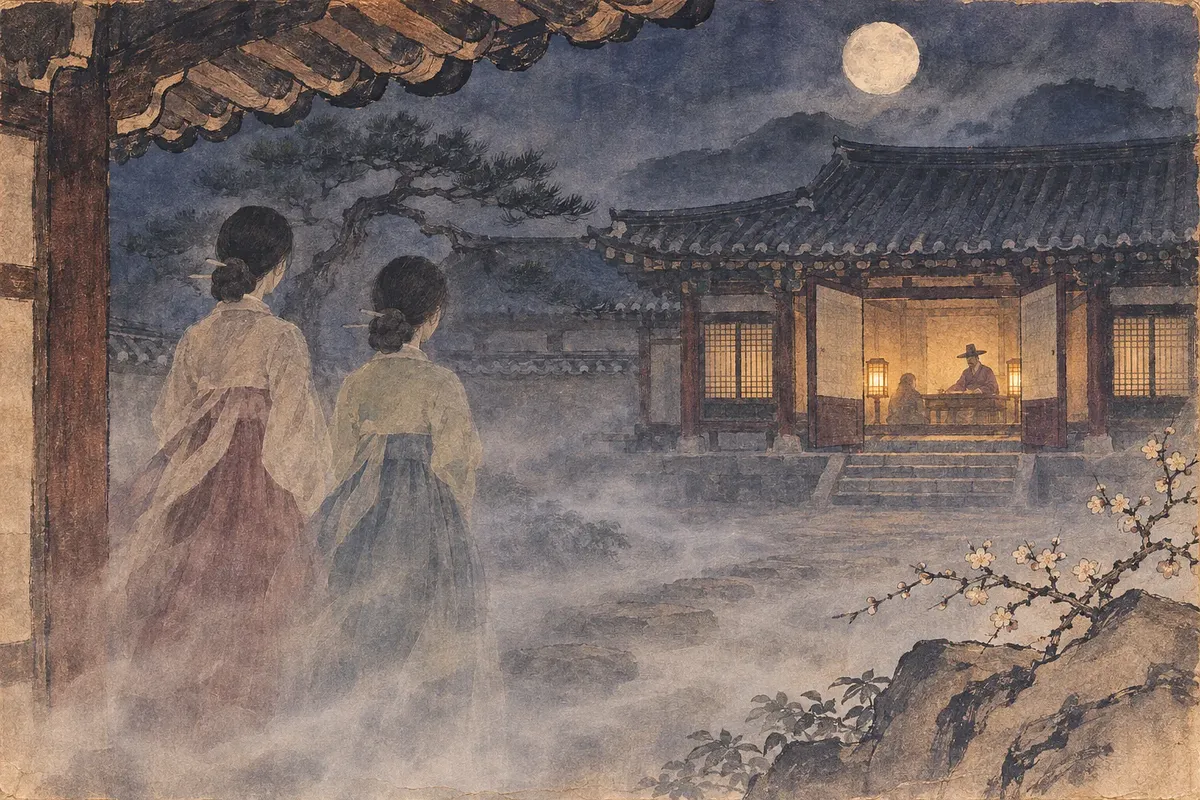
In manuscript 한구000075, the sisters are cleared of false accusations.AI-generated image

Key points

  • The author and date of composition of the work as a whole are unknown.
  • 1818 is the year Park In-su wrote the Classical Chinese version.
  • In manuscript 한구000075, Jeong Dong-ho clears the sisters' names.
  • In the selected manuscript, the stepmother is punished after death once the sisters' names are cleared.
  • The endings of different versions fall into four groups: vindication and punishment, punishment after death, revival, and reincarnation as twins.

Janghwa Hongnyeonjeon is a classical novel set in Cheolsan, Pyeongan Province, during the Joseon period. Its author and date of composition are unknown. It retells a traditional story about two sisters who die unjustly and are later cleared of false accusations.

This article follows manuscript 한구000075 in the collection of the National Hangeul Museum and was prepared in November 2026.

Plot of Janghwa Hongnyeonjeon

This retelling follows the sequence of events in manuscript 한구000075. In this version, the magistrate who hears the sisters' story is Jeong Dong-ho. Descriptions of how people die and of brutal punishments have been omitted.

The Stepmother's False Accusation

After losing their mother, Janghwa and Hongnyeon come to live with a stepmother. In the household their father, Jwasu Bae, has formed through remarriage, the sisters find themselves increasingly pushed aside. Their stepmother begins to see the two daughters as obstacles within the family.

When talk turns to Janghwa's marriage, the stepmother devises a cruel scheme. She uses a rat to fabricate evidence suggesting that Janghwa had been pregnant and lost the child. The father sees the object and becomes suspicious of his daughter. Janghwa's explanation fails to change the household's judgment.

The stepmother's son, Jangsoe, also joins the scheme. Janghwa ultimately loses her life without clearing her name. Hongnyeon learns of her older sister's death and also meets a tragic end. There is now no one left to tell the story buried within the household.

The Sisters Who Visit Each Night

The dead sisters become wronged spirits and visit the magistrate's office. Late at night, a presence approaches with sounds unlike the footsteps of the living. But the magistrates are overcome with fear. The sisters never manage to tell their full story.

The sisters also appear before the newly appointed Jeong Dong-ho. They appeal to him about the injustice surrounding their deaths. After hearing them, Jeong Dong-ho begins investigating the case. The voices silenced within the household are heard again at the magistrate's office.

The investigation does not immediately uncover the truth. The object presented by the stepmother still seems to show Janghwa's wrongdoing. The sisters appear again and ask him to examine the evidence closely. Jeong Dong-ho revisits his initial judgment.

After Their Names Are Cleared

Once the true nature of the evidence is established, the stepmother's lie is exposed. The false accusation against Janghwa is also cleared. The stepmother and Jangsoe are punished for their crimes. Jeong Dong-ho arranges the sisters' funeral.

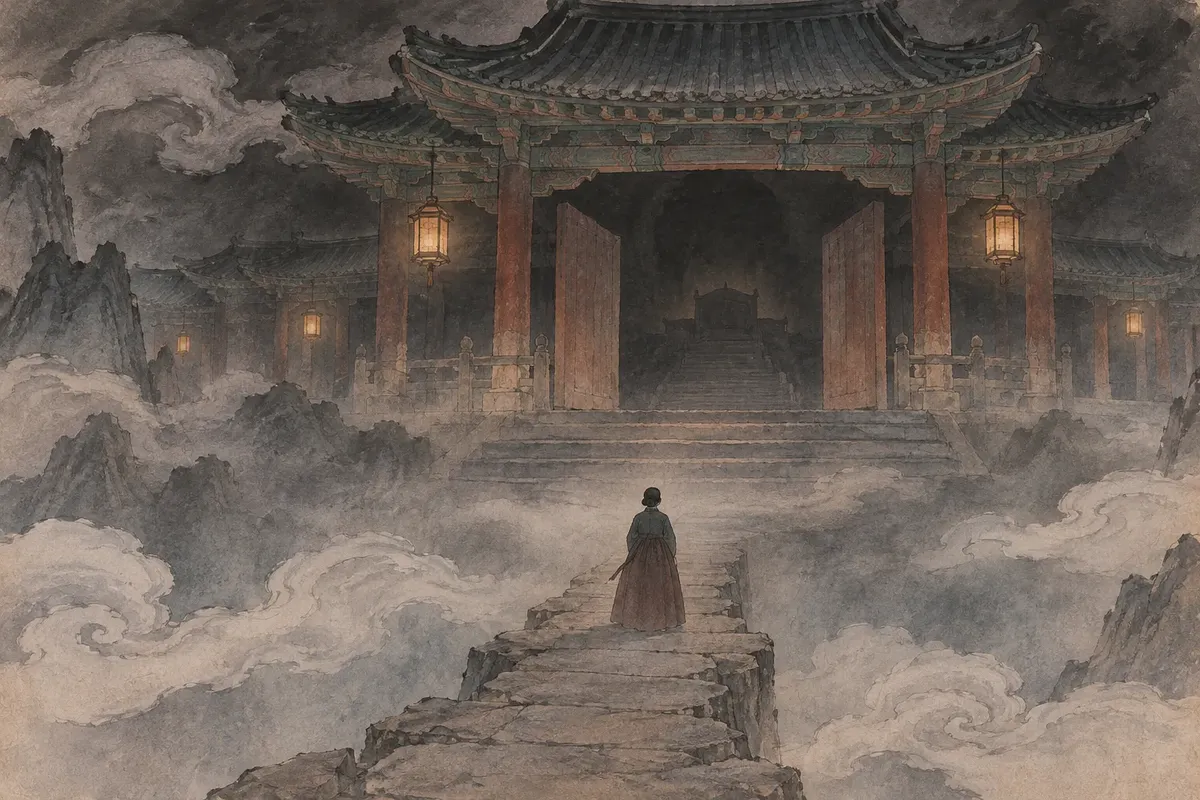
The sisters express their gratitude that their story has come to light. But this manuscript's story does not stop with the resolution of the case. Its later part goes on to describe the stepmother's punishment in the afterlife. The crimes revealed in the world of the living thus lead to judgment after death.

In the selected manuscript, the stepmother’s punishment extends beyond death.AI-generated image

Source Text and Origins

The base text for this retelling is manuscript 한구000075 in the collection of the National Hangeul Museum. A base text is the book used as a reference when transcribing or rewriting a text. Here, the term does not mean the sole original text of the work as a whole.

Category Established information Distinctions to keep in mind
The work as a whole A classical novel of unknown authorship and date Do not apply the date of a particular version to the entire work
Park In-su's Classical Chinese version A Classical Chinese version written in 1818 A separate source from the Hangul manuscript 한구000075
Base text for this retelling 한구000075, held by the National Hangeul Museum The magistrate's name and later developments follow this book
Publicly available facsimile file A 45-page DJVU file on Wikisource Distinguish the file's page count from the original book's page count

What Does 1818 Mean?

1818 is the year Park In-su's Classical Chinese version was written. The Encyclopedia of Korean Culture describes the work as a whole as being of unknown authorship and date. These two pieces of information apply to different things.

The encyclopedia connects the origins of the Classical Chinese version to a tradition about Jeon Dong-heul's handling of a case. This does not mean that every scene in the novel is confirmed as historical fact. The appearance of wronged spirits and judgment after death should be read as parts of the work's narrative. Further explanation is available in the Encyclopedia of Korean Culture's entry on the work.

Where Can I Read the Original Text of Janghwa Hongnyeonjeon?

A facsimile of the selected manuscript is available on Wikisource. A facsimile reproduces the appearance of an old book as images. The public file contains 45 pages, including the cover and blank pages. These are images of old handwriting, not a translation into modern language.

The Wikisource index indicates that this material needs an OCR text layer. It is therefore unlikely that the entire text can be searched or copied. To examine the handwriting and content, readers must read the facsimile images directly. The material is available in the facsimile file of manuscript 한구000075.

Other Versions and Endings

Versions of Janghwa Hongnyeonjeon fall into four groups according to their endings. A variant version is one whose content has changed as the same work has been passed down. The categories below follow the explanation in the Encyclopedia of Korean Culture.

Ending type Developments after the sisters' names are cleared Main emphasis of the ending
Exoneration and punishment The truth about the sisters' unjust deaths is revealed, and the stepmother is punished Establishing the truth of the case
Extended punishment in the afterlife The stepmother is also punished in the afterlife by order of King Yeomra Judgment that continues after death
The sisters' return to life The sisters come back to life, and Janghwa marries the magistrate Recovery of the lives they lost
Rebirth as twins The sisters are born again as twins to Jwasu Bae and Lady Yun Family bonds that continue in a new life

Manuscript 한구000075 includes an extension of punishment into the afterlife. Adding a plot in which the sisters are reborn as twins would mix different versions. This is why the final part should be checked separately even when books share the same title.

A return to life must also be distinguished from reincarnation. A return to life means that the dead sisters become alive again. Reincarnation means that they are born anew and begin life again. Simply summarizing both endings as coming back alive erases the difference.

The magistrate's name is another clue for distinguishing versions. Manuscript 한구000075 gives his name as Jeong Dong-ho. Jeong Dong-u appears in the encyclopedia's plot summary of the Hangul version. Both must also be distinguished from Jeon Dong-heul, who appears in the account of the Classical Chinese version's origins.

Folk Beliefs in the Story

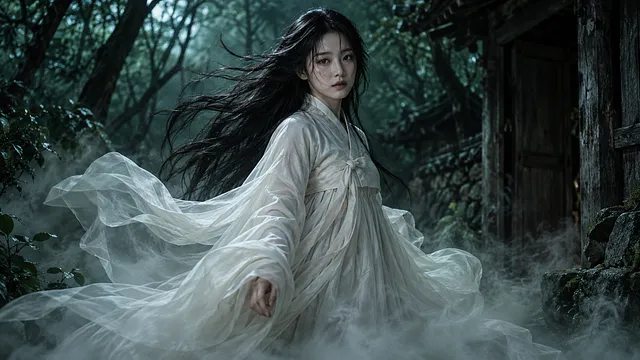
This work turns the idea that injustice can remain unresolved after death into a story. The sisters appear because they want their story to be known. Resolving the case begins when a living person listens to them.

Wronged Spirits and the Resolution of Grievances

A wronged spirit is a ghost that bears a grudge because of an unjust death. Resolving such grievances means releasing the resentment that has built up. In the work, this takes the form of clearing false accusations and consoling the dead.

Within this structure, the ghosts' appearance reveals a case that needs investigation. The sisters' appeal alone does not settle every judgment. The lies are exposed when the magistrate reexamines the evidence. Supernatural appeals and real-world investigation work together.

  • Appearance of wronged spirits: A device revealing that a hidden story remains
  • Reexamination of evidence: An opportunity to distinguish false accusations from facts
  • Funeral and consolation: Acts that once again recognize the dead sisters as deserving care
  • Judgment after death: The idea that responsibility for wrongdoing does not end with death

The Blue Bird and the Tiger

In some versions, a blue bird and a tiger intervene in human affairs. The encyclopedia explains their roles in the Jaam and Garam versions. These scenes should not be treated as content shared by every version.

Being Role in some versions Folkloric interpretation
Blue bird Tells Hongnyeon where Janghwa is A being that connects the living and the dead
Tiger Punishes Jangsoe's wrongdoing A being that soothes the grievances of the vulnerable and punishes oppression

The encyclopedia connects these scenes to a shamanic worldview. Other beings respond to injustices that human power could not prevent. This is an interpretation of symbols within the work. It does not mean that everyone at the time held the same beliefs.

Reincarnation and Renewed Bonds

In endings involving reincarnation, family bonds severed by death are renewed. The sisters are born anew as Jwasu Bae's daughters. This development invites readers to imagine life beyond the clearing of false accusations.

Such compensation, however, is a feature of versions with reincarnation endings. Versions involving punishment after death dwell longer on the perpetrator's responsibility. Versions in which the sisters return to life emphasize their recovery of the lives they lost. Differences between the endings can be read as differences in what is to be restored.

The Stepmother's and Father's Responsibility

The tragedy in the work cannot be explained by the stepmother's false accusation alone. The father's failure to listen to his daughters also makes matters worse. The Encyclopedia of Korean Culture likewise presents the irresponsibility of the head of the household as one strand of interpretation.

Within the household, the stepmother's claim overrides the daughter's explanation. At the magistrate's office, that judgment is overturned when the evidence is checked again. This can be read as a tragedy that results when family authority replaces the checking of facts. This statement is an interpretation based on the structure of events.

A note warning against remarriage is also appended to the end of the manuscript. Here, remarriage means a man marrying again after losing his wife. This note shows the moral lesson added to the book. The work's portrayal of a villain is not grounds for applying that portrayal to all remarried families today.

Key questions in this article

Did These Events Really Happen?

This article retells a classical novel that cannot be definitively described as a true story. The work's origins are connected to a tradition about Jeon Dong-heul's handling of a case. But the novel's wronged spirits and afterlife cannot be treated as verified events.

Is Park In-su the Author?

Park In-su wrote the surviving Classical Chinese version dated 1818. The author of the work as a whole is unknown. It would therefore be inaccurate to name Park In-su as the author of every version.

Do the Sisters Come Back to Life at the End?

It depends on the version. Versions in which they return to life and versions in which they are reborn as twins form separate groups. The later part of the base text used here continues with the stepmother's punishment after death.

Why Is the Magistrate's Name Different from the Book I Read?

Character names vary between versions. The magistrate in manuscript 한구000075 is named Jeong Dong-ho. When the names differ, check both the book's version and the explanation of its base text.

Can I Search the Original Text in Modern Language?

The Wikisource material used here consists of facsimile images of a manuscript. The index indicates that an OCR text layer is needed. This resource does not provide both searchable modern-language text and images of the original.

What Is the Story's Central Meaning?

It can be read as expressing the need to uncover the injustices suffered by those who have lost the chance to speak. The sisters' resentment is resolved when their story is heard and the facts are checked. The responsibility of a father who should protect his family is also revealed.

Open the link

Opens in a new window.

Advertisement

Sign-in required

Sign in with your Google account to like, comment, and save highlights.

FAQ

Did this event actually happen?

It is a classical novel that cannot be definitively regarded as a true story. Its origins are linked to traditional accounts of Jeon Dong-heul's handling of a case. However, the appearance of vengeful spirits and judgment after death are events within the novel.

Where can I read the original text?

On Wikisource, you can view a facsimile of the 한구000075 manuscript held by the National Hangeul Museum. The publicly available DJVU file has 45 pages, including the cover and blank pages. It contains images of a handwritten manuscript, not a translation into modern Korean.

Was the work first created in 1818?

1818 is the year Park In-su's Classical Chinese version was written. When the work itself was composed is unknown. The date of a particular version should not be taken as the year the work as a whole was first created.

How does the 한구000075 version end?

After the sisters are cleared of the false accusations against them, the stepmother is punished after death. This should be distinguished from the ending in another group of versions, in which the sisters are reincarnated as twins.

How do resurrection and reincarnation differ?

Resurrection is a plot development in which the dead sisters come back to life. Reincarnation refers to a plot development in which they are born again and begin new lives. The two endings belong to different groups of versions.

Why do the names Jeong Dong-ho and Jeong Dong-u differ?

The magistrate's name varies by version. Jeong Dong-ho appears in the 한구000075 version. Jeong Dong-u appears in the synopsis of the Korean-language version in the Encyclopedia of Korean Culture.

What does resolving the vengeful spirits' grievances mean?

It means resolving the resentment caused by an unjust death. In this work, it takes the form of listening to the sisters' story and exposing the false accusations against them. This is followed by making funeral arrangements to comfort the dead.

What else can readers find besides the stepmother's evil deeds?

Readers can see the father's responsibility to protect his family. His judgment, made without hearing his daughter's explanation, compounds the tragedy. The work's portrayal of its villains should not be generalized to all stepfamilies.

Sources

Data formats

This content is available in several machine-friendly formats.

Data-only languages (machine translated, files only)

Indonesian JSON MD Portuguese JSON MD Chinese (Traditional) JSON MD Deutsch JSON MD

Verification

This is a retelling of a traditional tale. It is a story that has been passed down, not a true event; its original and origin are given in the article.

This article was drafted with AI and then reviewed and edited by a person.

Reviewed by 신익희 · 편집장

Reuse & AI usage

Search indexing and AI citation with attribution are welcome. See the license policy for details.

CC BY · License

Loading…

Loading…

Where this content lives

Related content

From Injoys

Request the content you want and take 70% of what it earns

Just leave the subject. We handle production, review, translation and distribution.

See how revenue sharing works

Comments