Injoys
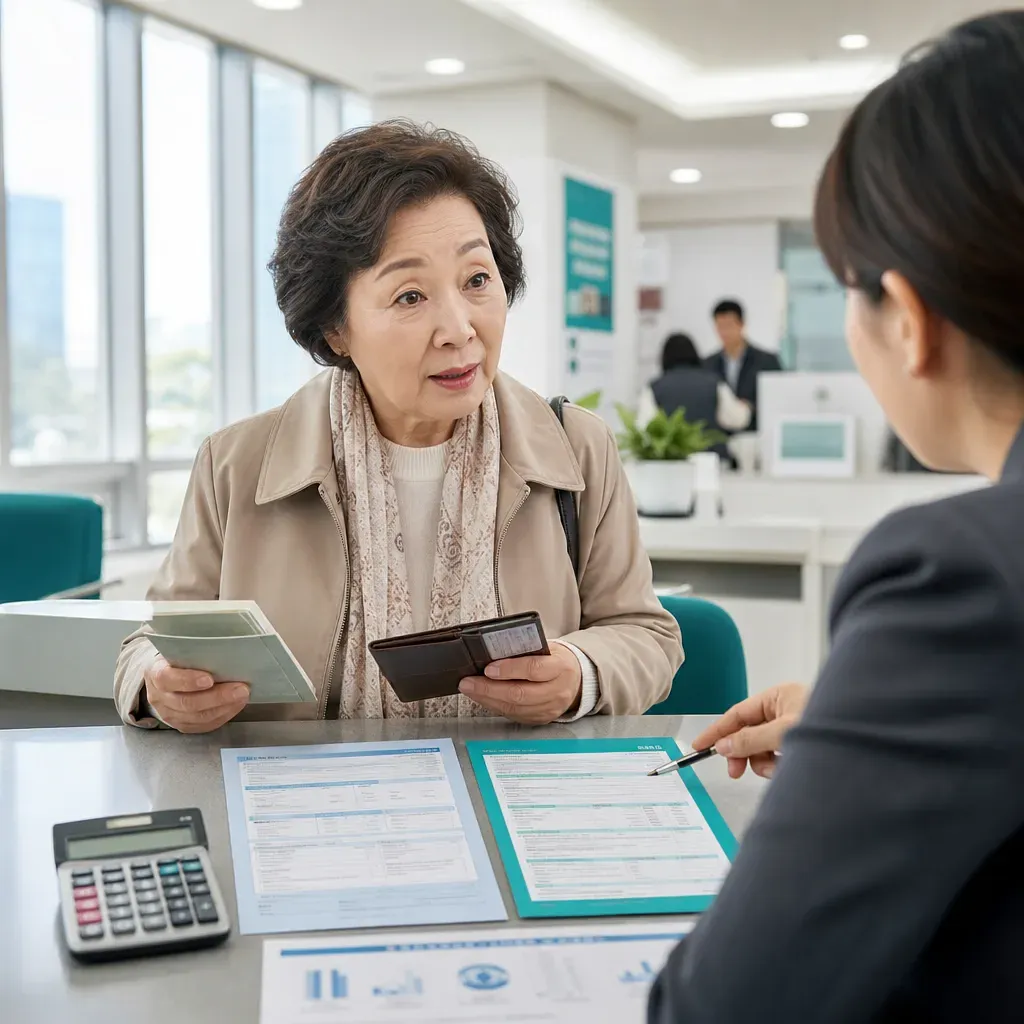
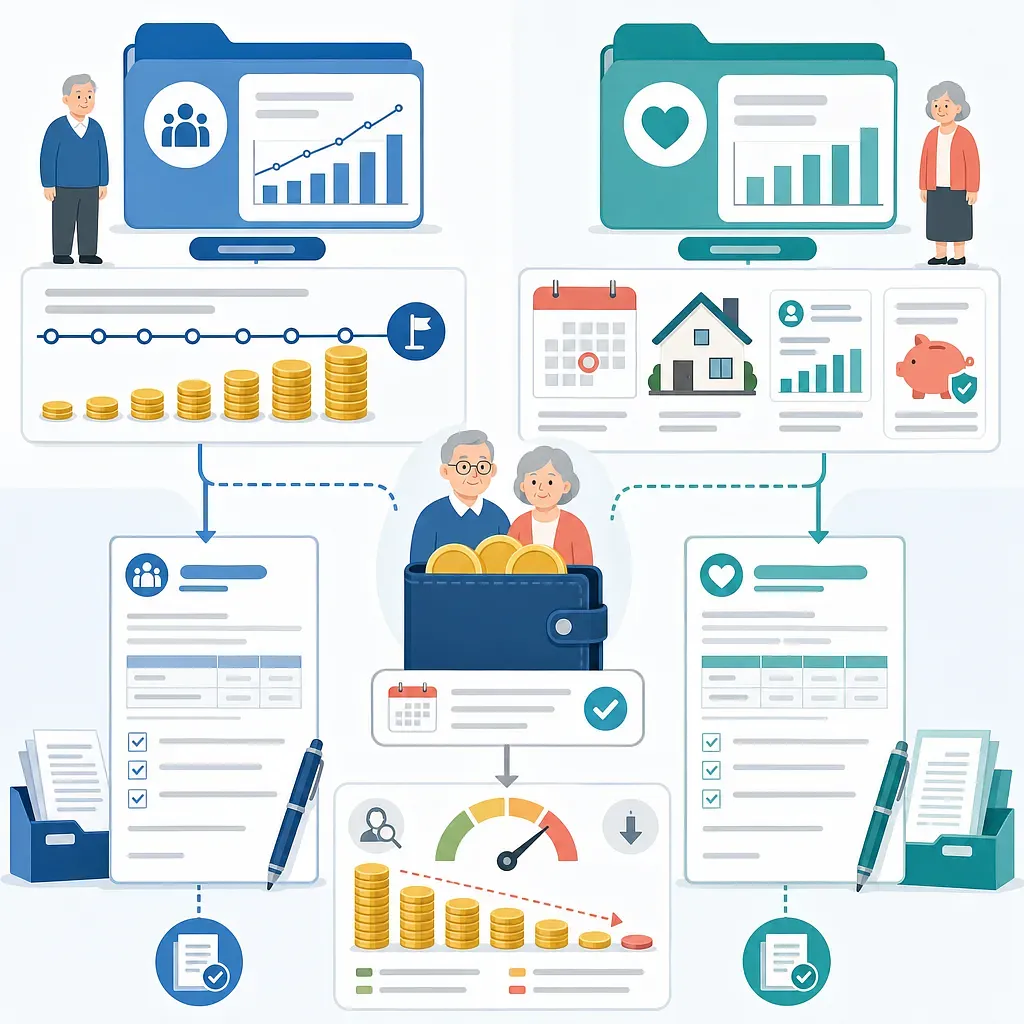
Both the Old-Age Pension and the Basic Pension can be received monthly in retirement, but they are different in nature. The Old-Age Pension is a social insurance benefit based on National Pension enrollment history, while the Basic Pension is public assistance paid after assessing the income and assets of older adults.
In particular, claims that “you cannot receive the Basic Pension if you receive the National Pension” or that “both pensions are paid automatically when you turn 65” are inaccurate. The eligibility requirements, benefit calculations, and application procedures for each must be examined separately.
Key Comparison of the Old-Age Pension and Basic Pension
| Category | National Pension Old-Age Pension | Basic Pension |
|---|---|---|
| Nature of program | Social insurance benefit based on contributions and enrollment history | Public assistance for older adults whose income and assets are at or below specified thresholds |
| Key eligibility | In principle, at least 10 years of National Pension enrollment | Age 65 or older, with recognized income at or below the selection threshold |
| Starting age | 60–65, depending on year of birth | Age 65 |
| Income and asset assessment | No separate asset threshold for basic entitlement | The income and assets of the applicant and spouse are assessed |
| Factors affecting the amount | Enrollment period, income during enrollment, payment start date, etc. | Standard pension amount, National Pension benefits, whether both spouses receive benefits, reduction to prevent income reversal, etc. |
| Early or deferred option | Available under certain conditions | No early or deferred benefit system |
| Funding | Operated based on National Pension contributions, fund management, etc. | Public funding borne by the national and local governments |
| Separate claim or application | Required | Required |
It is also not entirely accurate to describe the Old-Age Pension as “simply getting back the contributions I paid.” The National Pension is operated as a social insurance system rather than through individual savings accounts, and benefits are calculated under a statutory formula that reflects factors such as enrollment period and income during enrollment.
Eligibility Requirements for the National Pension Old-Age Pension
The Old-Age Pension is a National Pension benefit paid in old age. Its basis for eligibility differs from that of the Disability Pension or Survivors’ Pension.
Enrollment Period and Pensionable Age
In principle, you must have been enrolled in the National Pension for at least 10 years to receive the Old-Age Pension. The enrollment period may include not only periods for which contributions were actually paid but also periods recognized by law, so individual records should be checked with the National Pension Service.
| Year of birth | Old-Age Pension starting age |
|---|---|
| 1952 or earlier | 60 |
| 1953–1956 | 61 |
| 1957–1960 | 62 |
| 1961–1964 | 63 |
| 1965–1968 | 64 |
| 1969 or later | 65 |
Therefore, not everyone begins receiving the pension at age 61. You must check both your year of birth and enrollment period.
How the Old-Age Pension Amount Is Determined
The following factors are reflected in the Old-Age Pension amount:
- National Pension enrollment period
- Standard monthly income during the enrollment period
- Statutory formula reflecting the average income of all participants and the individual’s average income
- Whether benefits are claimed early or deferred
- Adjustments for price changes while receiving benefits
In general, a longer enrollment period and higher reported income during enrollment are likely to result in a larger benefit. However, the system does not simply multiply the total contributions paid by a fixed percentage.
Early Old-Age Pension and Deferred Pension
If certain requirements are met, you may claim the Early Old-Age Pension before the normal pensionable age, and the available timing should be confirmed with the National Pension Service. The reduction rate and reduction period applied to early benefits should also be confirmed with the National Pension Service. Conditions such as the enrollment period and whether the claimant is engaged in income-generating work apply to the Early Old-Age Pension.
Conversely, all or part of the Old-Age Pension may be deferred, and the available deferral period should be confirmed with the National Pension Service. The increase rate applied to the deferred portion varies according to the deferral period and should therefore be confirmed with the National Pension Service. Health, earned income, other retirement assets, and expected living expenses should all be considered, making it difficult to decide based solely on the increase rate.
Even when receiving the regular Old-Age Pension, the pension amount may be reduced under statutory standards if the recipient engages in income-generating work for a certain period after reaching the pensionable age.
Eligibility Requirements for the Basic Pension
In principle, the Basic Pension is available to Korean nationals aged 65 or older who reside in Korea and whose household’s recognized income is at or below the selection threshold for the applicable year. The range of eligible recipients is determined in consideration of the income and asset distribution of the overall older population.
Recipients of the Government Employees Pension, Private School Teachers Pension, Military Pension, or Special Post Office Pension, and their spouses, are in principle excluded from the Basic Pension. However, exceptions may apply depending on the type of benefit received, such as a lump-sum retirement benefit, and employment history, so individual confirmation is necessary.
2025 Selection Thresholds
| Household type | 2025 monthly recognized income threshold |
|---|---|
| Single-person household | At most 2.28 million won |
| Couple household | At most 3.648 million won |
These amounts were applicable in 2025. Because the selection threshold and standard pension amount may be adjusted each year, applicants in 2026 or later should check the figures for the application year on the Ministry of Health and Welfare’s Basic Pension website, Bokjiro, or at an Administrative Welfare Center.
Recognized Income Is Different from Monthly Salary
Recognized income does not mean only the monthly salary deposited into a bank account. It is generally calculated by adding the following two components:
- Assessed income: Reflects earned income, business income, property income, public transfer income, etc.
- Income-converted value of assets: Converts assets such as housing, land, financial assets, and vehicles into monthly income after reflecting deductions, liabilities, and other factors
Statutory deductions may apply to earned income, while regional basic asset allowances and financial asset deductions may also affect the calculation. Therefore, eligibility is not guaranteed simply because your monthly salary or National Pension amount is below the selection threshold. Conversely, owning a home does not automatically disqualify you.
Why the Actual Payment May Differ from the Standard Pension Amount
The 2025 standard pension amount should be checked through official guidance such as the Ministry of Health and Welfare’s Basic Pension website, and not all recipients receive the same amount in full. The following rules may apply to the actual amount:
- Linked reduction reflecting the National Pension benefit amount, enrollment period, etc.
- Spousal reduction that reduces each spouse’s Basic Pension amount by 20% when both spouses receive the Basic Pension
- Reduction to prevent income reversal when receipt of the Basic Pension would raise income above the selection threshold
Receiving the National Pension does not mean that the Basic Pension is reduced one-for-one by the same amount. The determination is made by applying the statutory formula to factors such as the type and amount of National Pension benefits, enrollment period, and household recognized income.
Can the Old-Age Pension and Basic Pension Be Received Together?
If the requirements of both programs are met, the Old-Age Pension and Basic Pension can be received at the same time. Being an Old-Age Pension recipient does not automatically exclude someone from the Basic Pension.
However, National Pension benefits may affect the recognized income and benefit calculation for the Basic Pension. For some recipients with long National Pension enrollment periods or benefit amounts above a certain level, the Basic Pension may be lower than the standard pension amount.
A separate issue that must be distinguished here is the coordination of overlapping benefits within the National Pension. If one person simultaneously acquires entitlement to their own Old-Age Pension and a Survivors’ Pension based on a spouse or another person, the overlapping-benefit coordination rules under the National Pension Act apply. Generally, the person may choose one benefit and receive part of the other in addition, but this varies depending on the combination of benefits and when the entitlements arose, so an individual calculation by the National Pension Service is required. This is separate from the issue of receiving the Old-Age Pension and Basic Pension at the same time.